
Building or renovating a home is one of the most significant investments a person can make. The process involves more than just aesthetics; it requires detailed planning, skilled craftsmanship, and long-term strategic thinking. A well-built home can last for generations if each stage of the process, from the base structure to the finishing details, is handled with care and quality. With advances in materials, technology, and sustainability standards, homeowners now have more opportunities than ever to create durable homes that perform efficiently and stay resilient against time and climate challenges.
Each stage of building a home contributes to its success. The foundation determines stability, the roofing and insulation control temperature and energy usage, and the craftsmanship influences both durability and beauty. Understanding how each component works allows homeowners to make informed decisions that protect their investment and enhance long-term comfort. This in-depth guide breaks down each critical element of home construction, combining expert insights with practical, actionable tips that help readers design, build, and maintain homes that stand strong for decades.
Start Strong: Laying the Foundation for Long-Term Durability
The first step toward a long-lasting home starts beneath your feet. A sturdy, well-planned foundation ensures that everything built on top of it will remain structurally sound and resistant to environmental changes. Every successful home project begins with careful planning, soil testing, and proper drainage systems. Ignoring these early stages often leads to complications such as cracking walls, shifting floors, or water intrusion that can weaken the entire structure.
Working with a custom home builder can help you ensure your home’s foundation meets local soil and climate conditions. Professionals know how to choose materials that resist moisture and temperature variations, and they can recommend techniques to minimize settling and movement. Key factors to consider include:
- Soil quality: Clay or moisture-retaining soils expand and contract, so stabilizing materials or compacted fill may be necessary.
- Drainage and grading: Proper grading directs water away from the foundation to prevent erosion or flooding.
- Concrete mixture and curing: High-quality materials and careful curing add decades to a foundation’s lifespan.
Equally important is sourcing reliable building supplies. Inconsistent or low-quality materials can weaken the overall structural performance of the home. Investing in premium-grade concrete, steel reinforcements, and vapor barriers may cost slightly more upfront but pays off in long-term reliability. The foundation is not a place to cut corners; it’s the element that controls your home’s stability and resilience for generations.
Roofing That Lasts: How to Choose the Best Materials
One of the most critical parts of any home is its roof. It protects everything below it from rain, snow, heat, and debris. A good roofing system does more than shield; it contributes to energy efficiency, appearance, and property value. Because roofing endures constant exposure to harsh elements, choosing the right material and design has lasting implications.
Metal roofing is becoming an increasingly popular choice for homeowners pursuing strength, style, and efficiency. Compared to traditional shingles or tiles, metal lasts longer and requires less maintenance. It is also highly resistant to temperature changes, pests, and moisture while reflecting heat rather than absorbing it. This reflection helps lower cooling costs during summer months. Another key benefit is its longevity: with proper care, a metal roof can last 50 years or more.
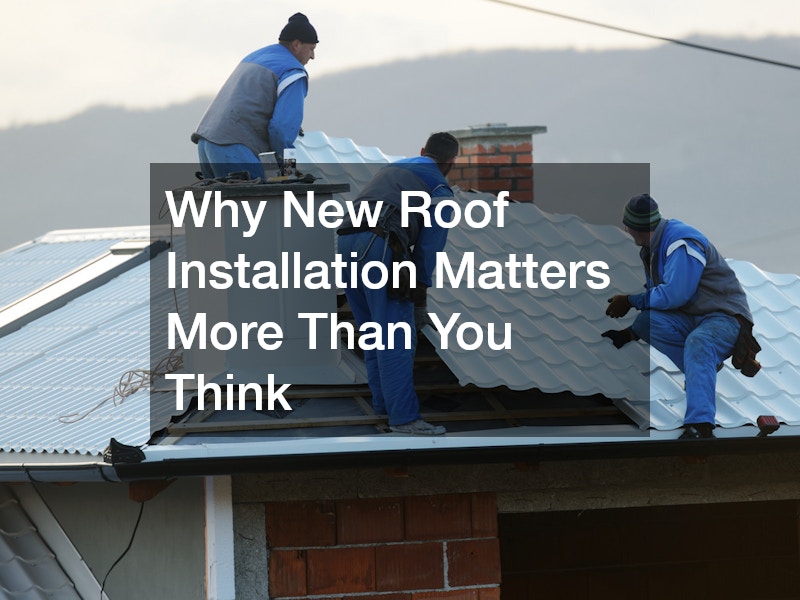
For any roof material, the quality of the roof installations matters just as much as the product itself. Even top-tier materials underperform if improperly installed. A professional installer ensures that seams are sealed, flashing is correctly positioned, and ventilation is adequate. Good ventilation prevents heat buildup in the attic, reducing energy consumption and extending the lifespan of the roofing structure. Regular inspections also detect early signs of wear such as loose fasteners or rust spots, allowing for quick and inexpensive repairs.
To make the most of your investment, homeowners should implement a maintenance plan:
- Clean gutters and remove debris seasonally.
- Inspect flashing and ridge caps after storms.
- Look for signs of moisture or insulation damage beneath the roof.
A properly designed and installed roof not only withstands the elements but also enhances your home’s energy efficiency and curb appeal.
Keeping the Indoors Comfortable: Insulation and Energy Control
A home’s insulation directly influences its comfort, energy use, and environmental footprint. Proper insulation acts as a thermal barrier that keeps warm air inside during colder months and prevents hot air from seeping in during summer. This consistent temperature regulation reduces strain on heating and cooling systems and lowers energy bills all year long.
Home insulation should be selected and installed carefully, as different materials work best for specific climates and building requirements. Fiberglass batts, spray foam, and cellulose are among the most popular choices. Spray foam provides excellent air sealing but can be more expensive, while cellulose offers eco-friendly properties and strong thermal resistance. Fiberglass is versatile and widely available, making it suitable for most residential applications.
Efficient insulation placement is equally critical. Attics and crawl spaces require particular attention because heat naturally rises, and inadequate sealing in these areas can cause significant energy loss. Additionally, adding vapor barriers and sealing air leaks reduces risks associated with condensation and mold. Homeowners can improve insulation effectiveness by:
- Using weatherstripping on doors and windows.
- Sealing gaps around electrical outlets, vents, and pipes.
- Installing radiant barriers in attics where appropriate.
- Pairing insulation with proper ventilation to prevent heat buildup.
Improving your insulation not only boosts comfort but also contributes to long-term home durability. It reduces moisture problems, minimizes energy waste, and ensures consistent temperatures throughout the home’s interior.

Harnessing Technology: Powering Your Home with Renewable Systems
Renewable energy has become a cornerstone of modern residential design, allowing homeowners to reduce their dependence on nonrenewable resources while saving money in the long term. Among the many sustainable technologies available, solar energy installation provides one of the most impactful upgrades for new homes and remodels.
Installing a solar system involves more than just mounting panels. It starts with evaluating energy consumption, roof structure, and local climate patterns. Orientation and tilt angle are critical factors influencing performance. Homeowners should consider consulting experts who can calculate the optimal system size based on daily energy needs. Although it requires an initial investment, solar power reduces monthly utility costs and offers potential rebates or tax incentives. Over time, the savings easily outweigh the setup costs.
For maximum efficiency, pairing solar power with other energy-efficient upgrades such as high-performance windows, LED lighting, and automated thermostats can create an integrated smart home system. These technological enhancements give homeowners better control over power consumption. The result is a living environment that not only saves money but also increases the property’s overall value.
Renewable integration represents more than environmental responsibility, it’s a strategic upgrade that prepares homes for evolving energy standards and long-term sustainability.
Protecting Your Investment: Preventing and Managing Water Damage
Moisture is one of the biggest threats to home longevity. Water intrusion, whether from roof leaks, basement seepage, or plumbing issues, can cause extensive structural and cosmetic damage. Mold growth, wood decay, and weakened foundations are just a few of the potential outcomes. Preventative strategies are always more cost-effective than repairs.
During construction or remodeling, simple protective measures, such as covering exposed framing or roof sections with tarps, can prevent water damage from unexpected rain. Once the structure is complete, regular maintenance checks around windows, roofing, and drainage systems help identify issues early. Consistent cleaning of gutters and extending downspouts away from the foundation can also make a significant difference.
If water intrusion does occur, it’s critical to address it promptly. Prolonged moisture can create health hazards by promoting mold growth. Partnering with a mold removal company helps ensure that any contamination is identified and eliminated safely. These experts use advanced equipment to detect hidden moisture pockets and prevent future outbreaks. Preventing water problems preserves the structure’s strength, ensures the safety of occupants, and protects financial investments in the home.
Details That Matter: Craftsmanship and Material Strength
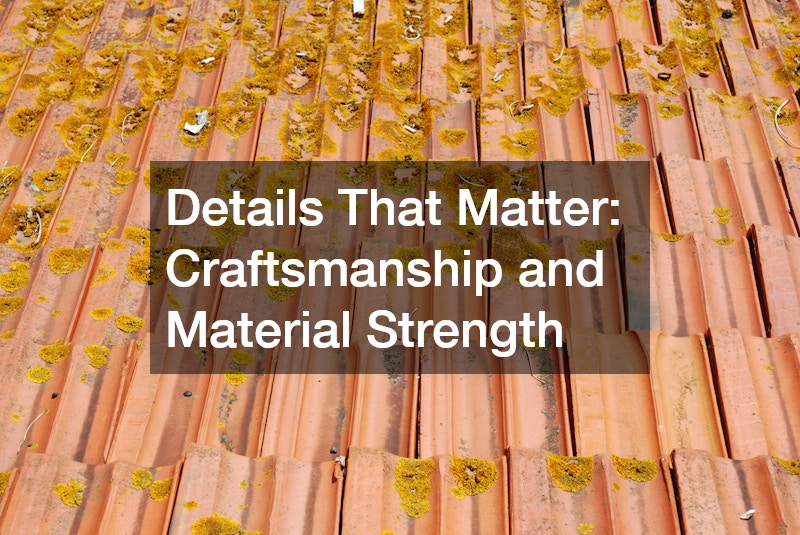
Durability and value are not determined only by major systems like roofing and insulation. The craftsmanship behind finishing details also plays a significant role in how a home ages over time. Attention to the smaller aspects of construction, such as joinery, fittings, and welded elements, often separates homes that last from those that require ongoing repair.
In modern construction, metal fabrication is a key component that provides both style and sturdiness. Custom steel staircases, handrails, beams, and architectural details contribute not only to a sleek appearance but also to the structural strength of a home. The process allows for unique design flexibility and increased durability, especially in areas that bear weight or experience frequent use. Choosing skilled craftspeople and verifying the quality of welds, coatings, and finishes ensures that these installations maintain their integrity for decades.
Here are ways to ensure strong craftsmanship throughout your project:
- Hire experienced builders and request portfolios of past work.
- Inspect joints, welds, and seams for precision and quality.
- Use corrosion-resistant metals and coatings in humid climates.
- Choose durable finishes that complement design aesthetics while preserving surface protection.
When each element of a home is built with precision, the result is a structure that requires less maintenance and enhances both comfort and aesthetic appeal.
Finishing Touches: How Design Choices Influence Home Value
Once a home’s structure and systems are in place, design choices and finishing details become vital contributors to property value. Buyers and appraisers look beyond size and location, they consider quality, efficiency, and craftsmanship. An energy-efficient, well-constructed home attracts higher valuations and appeals to a wider range of potential buyers.
During a house appraisal, evaluators consider features such as building material longevity, energy performance, and modern upgrades like smart systems or renewable energy sources. Homeowners can positively influence these assessments by keeping detailed documentation of renovations, maintenance, and warranties. High-end finishes, architectural quality, and low-maintenance materials also add tangible value.
Additional design choices that enhance property value include:
- Using neutral yet high-quality finishing materials, such as hardwood flooring or stone surfaces.
- Incorporating natural light and efficient window placement.
- Maintaining balance between functionality and aesthetics in every space.
A well-rounded approach that combines solid construction with visually appealing design ensures lasting value and comfort. A home that looks beautiful and performs efficiently stands out in any market.
Building for the Future: Maintenance and Home Longevity
After construction or renovation, proper maintenance is the key to preserving both performance and beauty. Even the strongest materials require routine care to achieve their full lifespan. Developing a maintenance schedule helps homeowners anticipate and address small problems before they turn into costly repairs.
An effective maintenance plan should include the following:
- Roof care: Inspect annually for loose shingles or rust on metal surfaces.
- Foundation checks: Look for cracks, water pooling, or soil movement.
- Insulation and ventilation: Ensure vents are unobstructed and insulation remains dry.
- HVAC service: Schedule seasonal inspections and filter changes.
- Plumbing system: Monitor for leaks and fluctuating water pressure.
Investing time in maintenance also builds equity. A home that remains in peak condition holds its value better and provides consistent comfort. Regular inspections by trusted professionals allow for early detection of structural shifts or water intrusion, preserving the home’s overall health.
Homeowners can think of maintenance as a form of insurance for their investment. By dedicating a small amount of time each season to upkeep, you ensure decades of dependable performance and retain a home that remains safe, efficient, and comfortable.
Building a strong, durable, and energy-efficient home requires attention to every detail, from the foundation and roofing to the final design choices. Each stage of construction influences performance, comfort, and longevity. Homes built with quality materials, expert guidance, and thoughtful planning deliver more than shelter; they create lasting spaces that adapt comfortably to changing needs and environmental conditions.
Sustainability, technology, and craftsmanship come together to form the backbone of modern homebuilding. When you focus on balance, structural strength, efficiency, and design, you create a home that goes beyond basic function. Whether you’re planning new construction or upgrading an existing property, taking a proactive and educated approach ensures a long-lasting investment that provides safety, comfort, and value for years to come.
By understanding and applying these principles, homeowners gain confidence in their choices, builders achieve superior results, and future generations benefit from homes designed to stand the test of time.