
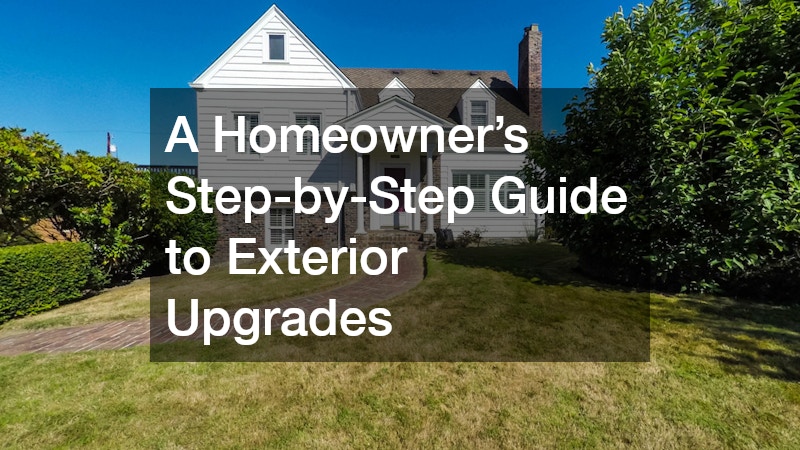
Your home’s exterior does more than create curb appeal. It protects your investment, shields your family from the elements, and plays a major role in long-term property value. Whether you are planning to sell in a few years or stay for decades, exterior upgrades should be approached strategically—not reactively.
Many homeowners make the mistake of tackling cosmetic updates before addressing structural concerns. Others jump into projects without understanding local regulations, timelines, or contractor qualifications. The result can be costly delays, mismatched finishes, or work that needs to be redone.
This step-by-step guide walks you through how to evaluate, prioritize, and execute exterior upgrades in the right order. From roofing decisions to paint, fencing, and outdoor living additions, careful planning will help you protect your home while enhancing its beauty and functionality.
Start With a Full Exterior Assessment Before Spending Money
Before investing in improvements, begin with a thorough inspection of your home’s current condition. Surface-level updates will not last if underlying problems remain unresolved.
Start by walking the perimeter of your home and looking for visible warning signs:
-
Missing, curling, or cracked shingles
-
Discoloration or dark streaks on the roofing
-
Peeling or blistering paint
-
Soft spots in siding
-
Leaning or damaged fence posts
-
Water is pooling near the foundation.
If you think you may need roof repair, contact a local roofer for a professional evaluation. Even minor shingle damage can allow water intrusion, leading to mold or structural decay inside your attic or walls.
In cases where damage appears more significant—such as sagging rooflines, interior leaks, or widespread deterioration—consult experienced roof repair contractors. They can determine whether repairs are sufficient or if more comprehensive work is necessary.
When assessing your exterior, prioritize:
-
Structural integrity
-
Water management
-
Safety concerns
-
Cosmetic improvements
Document findings with photos and request written reports from professionals. This information will guide your budgeting and help you plan upgrades in the correct order.
Set a Realistic Budget and Upgrade Timeline

Exterior projects often cost more than homeowners initially expect. A well-defined budget prevents financial stress and incomplete upgrades.
Break your improvements into categories:
Immediate Needs
-
Active leaks
-
Structural repairs
-
Safety hazards
Preventative Improvements
-
Aging roofing materials
-
Faded or cracking paint
-
Worn fencing
Enhancements
-
Outdoor living additions
-
Decorative upgrades
-
Landscape improvements
Always include a contingency fund of 10–20% to cover hidden damage uncovered during projects.
When creating a timeline:
-
Schedule roofing work during dry seasons.
-
Plan painting when temperatures are moderate.
-
Coordinate fence installation after major construction is complete.
Avoid stacking too many projects simultaneously. Phasing upgrades ensures quality oversight and manageable expenses.
Understand HOA Requirements Before Starting
If you live in a community governed by an association, approval may be required before beginning exterior work. Failing to follow guidelines can result in fines or mandatory removal of completed projects.
Carefully review architectural standards related to:
-
Roofing materials
-
Color palettes
-
Fence height and style
-
Outdoor structures
For major roofing projects, associations may request roofing HOA bids before granting approval. This documentation demonstrates that work will be completed professionally and in accordance with community standards.
If your roof has reached the end of its lifespan, plan ahead for roof replacement approval by contacting your local roof repair contractors. Submit:
-
Material samples
-
Manufacturer specifications
-
Contractor credentials
-
Project timelines
Starting early prevents delays once construction is ready to begin.
Decide Whether to Repair, Reroof, or Fully Replace
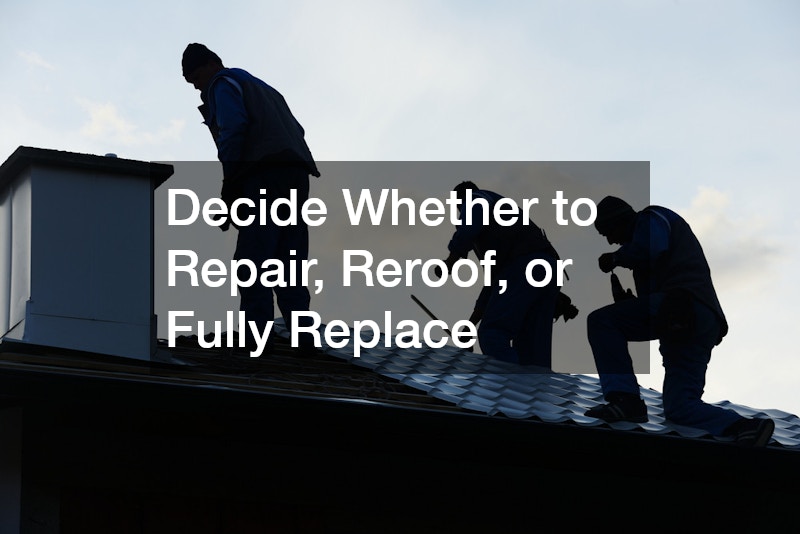
Roofing decisions significantly impact both budget and long-term durability. Not all aging roofs require complete replacement, but patchwork solutions are not always cost-effective either.
In some cases, reroofing can extend your roof’s lifespan. This involves adding a new layer of shingles over an existing one, provided structural decking is sound, and local codes allow it.
However, reroofing is not appropriate if:
-
There are multiple existing layers
-
Decking is compromised
-
Ventilation issues exist
-
Widespread damage is present
A reputable roofing contractor can assess:
-
Underlayment condition
-
Flashing integrity
-
Ventilation systems
-
Structural support
If significant deterioration exists, full replacement may prevent recurring repair costs. Compare long-term value, warranty options, and material lifespan, and be sure to speak with a local roofer before making your final decision.
Choose the Right Professional for Quality Results
Hiring qualified professionals ensures your upgrades are completed safely and correctly.
A local roofing contractor brings valuable regional knowledge, including:
-
Climate-specific material recommendations
-
Wind and storm pattern considerations
-
Local building codes
While any roofing contractor may offer services, choosing one familiar with your area reduces risk and improves long-term performance.
When evaluating contractors:
-
Verify licensing and insurance
-
Request detailed written estimates
-
Ask for recent references
-
Confirm warranty coverage
Compare proposals carefully. Look beyond price and examine the scope of work, cleanup procedures, and payment schedules.
Choosing the right professional is one of the most important steps in protecting your home’s value.
Upgrade Your Paint for Maximum Curb Appeal
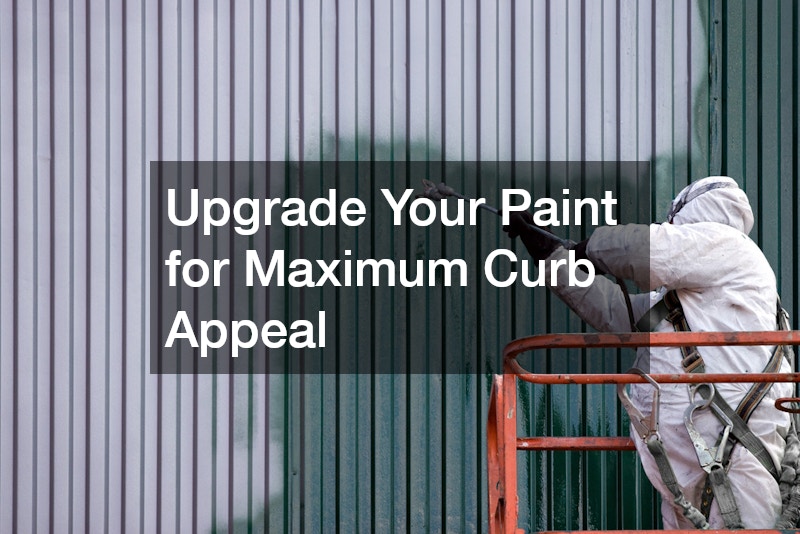
Fresh paint transforms a home’s appearance while protecting exterior surfaces from weather damage.
Professional residential painting improves:
-
Moisture resistance
-
UV protection
-
Surface durability
Before painting begins, proper preparation is essential:
-
Power wash surfaces
-
Scrape loose paint
-
Sand rough areas
-
Prime bare wood
Skipping preparation reduces longevity and leads to premature peeling.
When selecting colors:
-
Coordinate with roofing tones
-
Consider neighborhood aesthetics
-
Choose timeless neutrals for resale value
Schedule residential painting during dry weather with moderate temperatures to ensure proper curing. Investing in high-quality paint products often reduces repaint frequency and maintenance costs.
Improve Privacy and Security With Smart Fencing
A well-designed fence enhances both function and curb appeal. It defines property boundaries, increases privacy, and improves safety.
Professional residential fence installation ensures:
-
Proper post depth
-
Stable anchoring
-
Correct alignment
-
Code compliance
When choosing materials, consider:
Wood
-
Classic appearance
-
Requires staining or sealing
-
Moderate lifespan
Vinyl
-
Low maintenance
-
Resistant to moisture
-
Higher upfront cost
Metal
-
Durable and secure
-
Minimal upkeep
-
Modern aesthetic
Before installation:
-
Confirm property lines
-
Review HOA regulations
-
Plan gate placement for accessibility
Investing in professional residential fence installation prevents leaning posts and premature structural failure.
Add Functional Outdoor Living Space
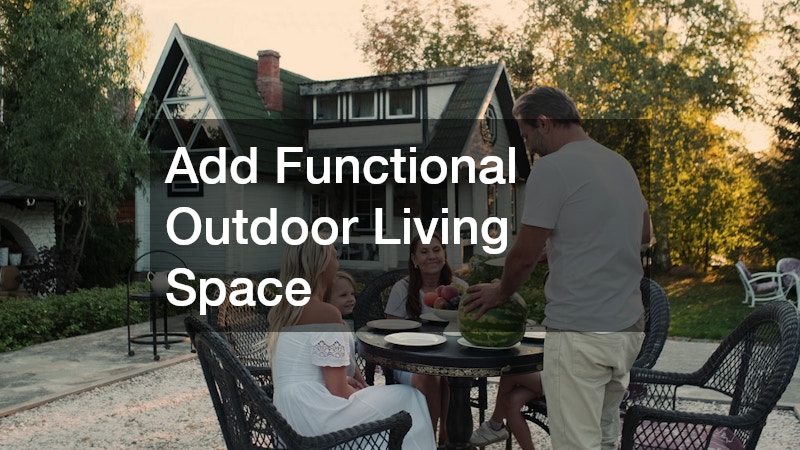
Outdoor living upgrades increase usable square footage and enhance lifestyle enjoyment.
A louvered roof pergola is a versatile addition that allows homeowners to adjust shade and airflow. Adjustable louvers provide:
-
Sun control
-
Rain protection
-
Improved comfort
When planning a louvered roof pergola, consider:
-
Orientation relative to sun exposure
-
Integration with roofing materials
-
Drainage systems
-
Electrical needs for lighting or fans
Outdoor living spaces increase property value while creating an inviting area for entertaining, relaxing, or dining.
Coordinate design elements such as paint colors and fencing to maintain visual harmony across your exterior.
Coordinate Projects in the Right Order
Executing projects in the correct sequence prevents unnecessary damage and wasted money.
Recommended order:
-
Structural roofing work
-
Exterior repairs
-
Painting
-
Fence installation
-
Outdoor living features
Roofing projects should always precede painting or fencing to avoid debris damage. Painting should occur before final fence adjustments to prevent overspray. Outdoor additions should be installed after structural upgrades are complete.
Strategic coordination ensures each improvement enhances—not compromises—the previous one.
Protect Your Investment With Ongoing Maintenance
Exterior upgrades are only as effective as the care they receive. Even the highest-quality roofing, fencing, paint, and outdoor structures will naturally degrade over time if they are neglected. A proactive approach to maintenance not only extends the lifespan of these improvements but also protects your home from costly repairs and preserves its curb appeal.
Creating a maintenance routine can make these tasks manageable and ensure nothing is overlooked. On an annual basis, homeowners should inspect their roofing for signs of wear, such as missing, cracked, or curling shingles that could allow water to penetrate. Pay close attention to roof valleys, ridges, and edges, and watch for moss or algae growth that can weaken shingles. Flashing around chimneys, vents, skylights, and roof transitions should also be checked to ensure seals remain intact; any deteriorated or bent flashing should be replaced promptly to avoid leaks. Cleaning gutters is another critical step, removing debris that can cause water overflow and damage to siding and the foundation. While cleaning, check that gutter brackets are secure and downspouts are flowing freely. Washing siding at least once a year removes dirt, mildew, and algae while providing an opportunity to spot cracks, warping, or other early signs of damage.
Every two to three years, it’s important to inspect the condition of exterior paint. Peeling, cracking, or fading paint should be addressed immediately to protect underlying surfaces from moisture. Applying touch-ups or repainting worn areas helps preserve the integrity of siding and wood. Wooden fences should also be sealed during this period to guard against moisture, UV damage, and insects. Inspect the fence for warped boards or loose nails, and ensure gates operate smoothly. Checking hardware and fasteners—hinges, locks, screws, and bolts—across all exterior structures helps prevent deterioration and ensures safe, functional operation.
After major storms, homeowners should take extra care to inspect for damage. Strong winds can displace shingles or cause structural stress to the roof, creating potential leak points. Fences may become unstable or misaligned, and gates might fail to operate correctly. Drainage areas should also be checked to ensure water is flowing away from foundations, patios, and landscaping. Removing debris from downspouts, channels, and drains prevents pooling that can cause long-term damage to both the home and landscaping.
By consistently following these maintenance practices, small issues are caught before they escalate into major repairs, extending the life of exterior upgrades and preserving curb appeal. A proactive routine also allows homeowners to plan future improvements strategically, minimizing disruption and maximizing the long-term value of their investment.
Know When Exterior Upgrades Add Real Value
Not all improvements yield equal returns. Some upgrades dramatically improve both how you experience your home and how future buyers perceive it, while others may offer limited resale impact despite a high price tag. The key is to focus on projects that balance daily enjoyment with resale potential, ensuring your investment works for you now and pays off later.
Roofing Improvements
A solid, well-maintained roof is one of the first things buyers evaluate—either consciously or subconsciously. Visible wear, missing shingles, or signs of aging can immediately raise concerns about hidden damage and future expenses. Addressing roofing issues improves structural protection, boosts curb appeal, and strengthens buyer confidence. Even if you are not planning to sell soon, proactive roofing upgrades prevent costly interior damage and preserve your home’s overall condition.
Fresh Exterior Paint
Paint has one of the highest visual impacts relative to cost. A clean, updated exterior color scheme can instantly modernize an older home and make architectural details stand out. Beyond aesthetics, quality paint protects siding and trim from moisture, UV exposure, and temperature fluctuations. Buyers often associate fresh paint with proper maintenance, making the property feel move-in ready.
Secure Fencing
A stable, well-designed fence adds privacy, safety, and definition to your property. For families with children or pets, fencing is often a non-negotiable feature. Even for buyers without those needs, fencing enhances security and creates a sense of boundary and organization. An aging or leaning fence, on the other hand, can suggest deferred maintenance and reduce perceived value.
Functional Outdoor Spaces
Outdoor living areas have become increasingly important to homeowners. Patios, pergolas, and shaded seating areas extend usable square footage and support entertaining, relaxation, and family time. When thoughtfully designed, these spaces feel like a natural extension of the home rather than an afterthought.
Buyers often prioritize structural integrity and visual appeal. Before they think about decorative features, they look for signs that the home has been properly maintained. A well-maintained exterior signals responsible ownership and reduces concerns about immediate repair costs. Clean lines, consistent finishes, and cohesive design choices communicate care and attention to detail.
Lifestyle upgrades—such as shaded patios or improved privacy—enhance comfort even if you plan to stay long-term. These improvements may not always deliver a dollar-for-dollar return, but they provide meaningful daily value. Enjoying your backyard more often, hosting gatherings comfortably, or feeling secure within your property boundaries contribute to the quality of life.
When deciding where to invest:
-
Consider how long you plan to remain in the home.
-
Evaluate whether the upgrade solves an existing problem.
-
Compare cost versus expected lifespan.
-
Research neighborhood standards to avoid over-improving.
Evaluate both emotional and financial returns when prioritizing projects. The best exterior upgrades are those that protect your home, elevate its appearance, and enhance your day-to-day experience—while still appealing to future buyers should you decide to sell.
Conclusion
Exterior upgrades require thoughtful planning, skilled professionals, and a long-term perspective. By starting with a thorough assessment, setting a realistic budget, following proper project order, and maintaining improvements over time, homeowners can protect their investment while enhancing beauty and functionality.
Approach each step strategically, prioritize structural integrity, and choose quality workmanship. When done correctly, exterior upgrades not only improve curb appeal but also provide lasting value and peace of mind for years to come.