
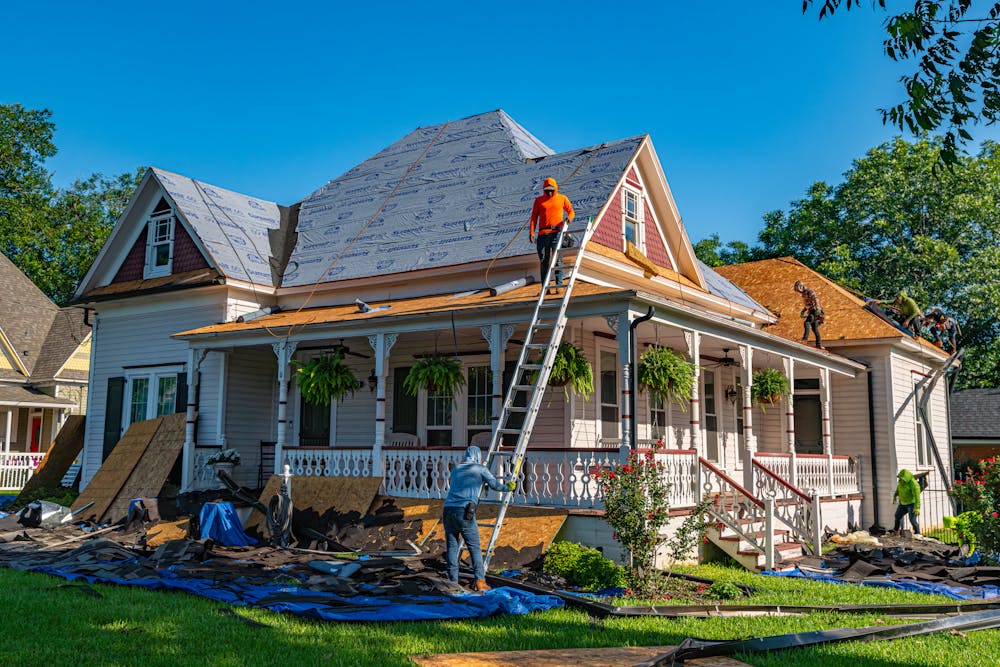
- Roof repair is ideal for minor, localized damage and is generally more affordable and faster to complete than a full replacement.
- Roof replacement involves removing old materials, inspecting decking, installing new underlayment and shingles, and often upgrading ventilation for long-term performance.
- If your roof is nearing the end of its lifespan or has widespread damage, replacement is typically the smarter long-term investment.
- Repairs may solve immediate issues, but do not reset the roof’s overall lifespan, while replacement provides decades of renewed protection.
- Replacement projects usually come with stronger manufacturer and workmanship warranties compared to limited repair coverage.
- A new roof can improve curb appeal, increase resale value, and enhance buyer confidence, especially if you plan to sell your home.
Your roof is one of the most critical components of your home. It protects your family, belongings, and structural integrity from harsh weather, moisture intrusion, and long-term deterioration. When problems arise, homeowners often face a common dilemma: should you repair the damage or invest in a full roof replacement? Understanding the scope, costs, and long-term implications of each option is essential before making a decision.
While roof repair addresses specific issues, roof replacement involves a more comprehensive overhaul. The two services differ significantly in materials, labor, timelines, warranties, and overall impact on your home’s value. This detailed guide breaks down what each service includes, when it’s appropriate, and how to determine which solution best fits your situation.
What Is Roof Repair and When Is It the Right Choice?
Roof repair focuses on fixing isolated damage rather than replacing the entire roofing system. It is typically recommended when the roof is still structurally sound but has minor issues such as missing shingles, small leaks, or damaged flashing. Repairs can extend the life of your roof and prevent further deterioration if addressed promptly.
Homeowners often choose repair when the roof is relatively new or when damage is limited to a specific area. For example, after a windstorm, a few shingles may be dislodged, or flashing around a vent pipe might crack. In these cases, a full replacement may not be necessary.
What Does Roof Repair Typically Include?
Roof repair services vary depending on the problem, but most projects involve:
- Replacing damaged or missing shingles
- Sealing leaks or patching small holes
- Repairing flashing around chimneys, vents, and skylights
- Fixing minor underlayment issues
- Securing loose fasteners or nails
A contractor will usually conduct a visual inspection to identify the source of the issue. Repairs are often completed within a few hours to a day, depending on complexity.
Advantages of Roof Repair
Roof repair offers several benefits when damage is minor:
- Lower upfront cost compared to replacement
- Shorter project timeline
- Minimal disruption to daily life
- Preserves existing roofing materials
However, repairs may not address underlying structural issues. If your roof is nearing the end of its lifespan, repeated repairs could become more expensive over time.
What Is Included in Roof Replacement?
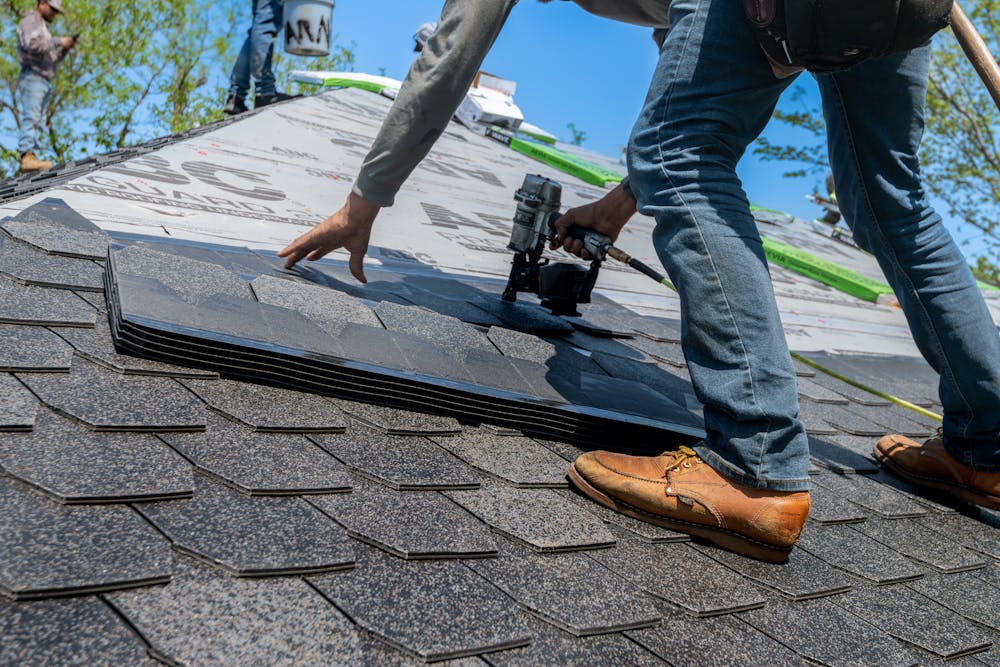
Roof replacement is a comprehensive process that involves removing the existing roofing materials and installing a new roofing system. It is typically necessary when the roof has widespread damage, advanced aging, or structural deterioration. Unlike repairs, replacement addresses both visible and hidden issues.
This option is often recommended for roofs that are 20 to 30 years old, depending on the material. Severe storm damage, persistent leaks, sagging areas, and extensive mold or rot are also signs that replacement may be the safer long-term solution.
What Is Included in Roof Replacement Projects?
A full roof replacement generally includes:
- Removal and disposal of old shingles or roofing materials
- Inspection of the roof decking for rot or damage
- Repair or replacement of damaged decking
- Installation of new underlayment
- Replacement of flashing and drip edges
- Installation of new shingles or roofing materials
- Ventilation upgrades if needed
- Final inspection and cleanup
Unlike a simple repair, replacement rebuilds the roofing system from the deck up. Contractors often use this opportunity to improve ventilation, energy efficiency, and moisture barriers.
Additional Components Often Included
Depending on the contractor and contract terms, replacement may also involve:
- Ridge caps and hip shingles
- Ice and water shield in vulnerable areas
- Upgraded synthetic underlayment
- Replacement of pipe boots and vent collars
Because roof replacement is comprehensive, it usually takes several days to complete. The timeline depends on roof size, weather conditions, and material selection.
How Do Costs Compare Between Repair and Replacement?
Cost is often the primary factor homeowners consider when choosing between repair and replacement. While repairs are generally more affordable, replacement offers long-term value by eliminating recurring issues. Understanding what drives pricing can help you make an informed decision.
Roof repair costs vary widely depending on the extent of the damage. Minor fixes may cost a few hundred dollars, while more complex repairs involving structural components can reach several thousand dollars. Replacement, on the other hand, typically represents a larger investment due to labor, materials, and disposal fees.
Factors That Influence Roof Repair Costs
- Type of roofing material
- Extent of damage
- Accessibility and roof pitch
- Labor rates in your area
- Urgency of the repair
Small repairs are cost-effective when damage is isolated. However, if multiple areas require attention, costs can accumulate quickly.
Factors That Influence Roof Replacement Costs
- Total roof size
- Material selection (asphalt, metal, tile, etc.)
- Condition of roof decking
- Ventilation upgrades
- Permit requirements
Although replacement involves higher upfront expenses, it can reduce maintenance costs over time and may increase resale value.
How Long Do Roof Repairs and Replacements Last?
Longevity plays a crucial role in deciding between repair and replacement. A well-executed repair can last several years, but it may not extend the roof’s overall lifespan if the structure is aging. Replacement resets the lifespan clock entirely.
For example, replacing a handful of shingles on a 25-year-old roof may solve an immediate leak but will not prevent future age-related failures. In contrast, installing a new roofing system provides decades of protection.
Typical Lifespan After Repair
- Minor shingle repair: 3–10 years
- Flashing repair: 5–15 years
- Leak patch: varies depending on material and workmanship
Repairs depend heavily on the surrounding roof’s condition. If the materials around the repair are worn, future issues are more likely.
Typical Lifespan After Replacement
- Asphalt shingles: 20–30 years
- Metal roofing: 40–70 years
- Tile roofing: 50+ years
A complete replacement ensures uniform materials and consistent performance throughout the entire system.
Signs You Need Repair Instead of Replacement
Knowing when a repair is sufficient can save you significant money. Many roofing issues start small and are manageable if addressed early. Ignoring minor damage, however, can allow it to spread.
Homeowners should schedule a professional inspection if they notice unusual signs. Quick action often determines whether repair is viable.
Common Indicators That Repair Is Enough
- A few missing or cracked shingles
- Minor water stains on the ceiling
- Isolated flashing damage
- Small areas of granule loss
- Damage is limited to one section of the roof
If your roof is less than 10–15 years old and structurally sound, repair is often the practical solution.
When Is Roof Replacement the Smarter Investment?
There are situations where repair simply postpones an inevitable replacement. If damage is widespread or structural components are compromised, replacing the entire system ensures safety and long-term reliability.
Frequent leaks, sagging rooflines, and mold growth often signal deeper issues beneath the surface. In these cases, patchwork solutions may not provide lasting protection.
Clear Signs You Need Replacement
- Extensive shingle curling or buckling
- Significant water damage or rot
- Multiple recurring leaks
- Roof age exceeding expected lifespan
- Storm damage affecting large areas
Replacement also makes sense if you plan to sell your home. Buyers are more confident in properties with newer roofing systems.
How Do Warranties Differ Between Repair and Replacement?
Warranties provide peace of mind, but coverage varies significantly between repair and replacement projects. Understanding the differences can help you evaluate long-term value.
Roof repairs may come with limited workmanship warranties covering only the repaired section. Manufacturers typically do not extend full product warranties to partial repairs.
Repair Warranty Limitations
- Shorter coverage periods
- Limited to specific repaired areas
- May not cover pre-existing damage
In contrast, roof replacement often includes comprehensive manufacturer warranties and contractor workmanship guarantees.
Replacement Warranty Benefits
- Full product warranty on new materials
- Extended workmanship coverage
- Better protection against future defects
A new roofing system typically offers stronger long-term warranty protection compared to isolated repairs.
Does Roof Replacement Increase Home Value?
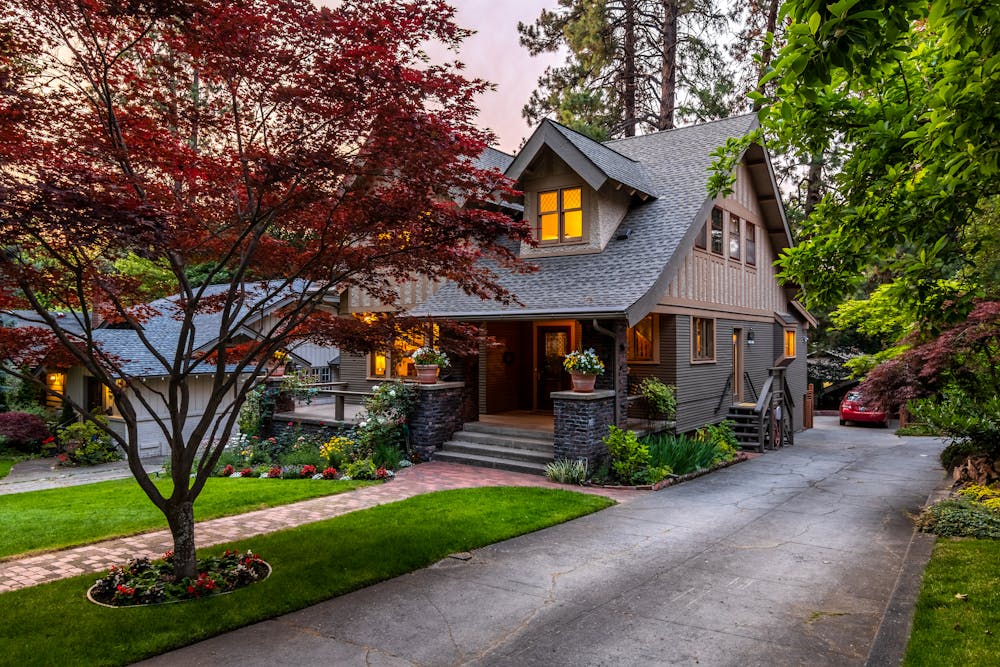
Home improvement decisions often involve evaluating return on investment. Roof replacement can enhance curb appeal, improve energy efficiency, and increase buyer confidence. Repair, while necessary, does not usually add the same measurable value.
A new roof signals that the home is well-maintained. It reduces the likelihood of inspection issues during a sale and may even improve insurance eligibility.
Benefits of Replacement for Resale
- Improved aesthetic appeal
- Stronger negotiation position
- Reduced buyer concerns
- Potential insurance discounts
While repair maintains functionality, replacement can significantly influence market perception and appraisal value.
How to Decide: Repair or Replace?
Making the right decision requires balancing short-term affordability with long-term durability. A professional inspection is the best starting point. Contractors assess structural integrity, moisture damage, and material age before recommending a solution.
Consider these questions when deciding:
- How old is the roof?
- Is the damage localized or widespread?
- Have you experienced repeated issues?
- What is your long-term plan for the property?
If the roof is nearing the end of its lifespan, replacement may be more cost-effective over time. If damage is isolated and the roof is relatively new, repair can restore performance without major investment.
Final Thoughts on Roof Replacement vs. Roof Repair
Understanding the differences between roof repair and roof replacement empowers homeowners to make informed decisions. Repair addresses specific, limited issues and is typically faster and more affordable. Replacement involves rebuilding the entire roofing system and provides long-term reliability, stronger warranties, and improved property value.
Both options serve important purposes depending on the roof’s condition and your financial goals. Consulting a licensed roofing professional ensures an accurate assessment and prevents unnecessary expenses. Whether you choose repair or replacement, proactive maintenance remains the key to extending your roof’s lifespan and protecting your home.