

- Most standard homeowners’ insurance policies will pay for a roof replacement when the damage results from a covered event—such as strong winds, hailstorms, fire, or debris impact. However, deterioration due to age, neglect, or routine wear and tear is generally excluded from coverage.
- The type of policy matters: replacement cost value (RCV) policies generally provide higher payouts than actual cash value (ACV) policies, which factor in depreciation.
- Proper documentation, quick reporting, and a professional inspection significantly improve your chances of claim approval.
- Claims are often denied due to poor maintenance, pre-existing damage, or insufficient evidence.
- Understanding what is included in roof replacement—such as underlayment, flashing, and material removal—helps you compare contractor estimates with insurance assessments.
- Routine roof maintenance and keeping detailed records can protect both your coverage eligibility and long-term property value.
A damaged roof can quickly turn from a minor inconvenience into a major financial concern. Whether caused by a severe storm, falling debris, or gradual deterioration, roof problems often lead homeowners to ask an important question: Does insurance help cover the cost? Understanding your policy before damage occurs can save you from unexpected out-of-pocket expenses. Coverage depends on the cause of the damage, the age of the roof, and the type of insurance policy you carry.
In this guide, we break down what homeowners need to know about insurance coverage, exclusions, claim processes, and ways to protect their investment. If you are unsure about your current coverage, this article will help clarify the essentials.
Does Home Insurance Cover Roof Replacement?
Home insurance is designed to protect your property from sudden and accidental damage. In many cases, roof replacement is covered—but only when the damage is caused by a covered peril. Insurance policies typically distinguish between unexpected events and issues caused by neglect or aging materials. That distinction often determines whether your claim is approved or denied.
Understanding your policy language is critical. Coverage terms such as “replacement cost value” and “actual cash value” significantly affect how much you receive from an approved claim.
In general, homeowners’ insurance covers roof replacement if damage results from:
- Windstorms and hail
- Fire and smoke
- Lightning strikes
- Falling objects, such as tree limbs
- Vandalism
However, policies usually do not cover:
- Normal wear and tear
- Poor maintenance
- Mold or rot due to long-term leaks
- Pest damage
If your roof is nearing the end of its lifespan, your insurer may reduce coverage or deny replacement based on depreciation. Always review your policy documents or speak directly with your insurance provider to confirm specifics.
What Types of Roof Damage Are Typically Covered?
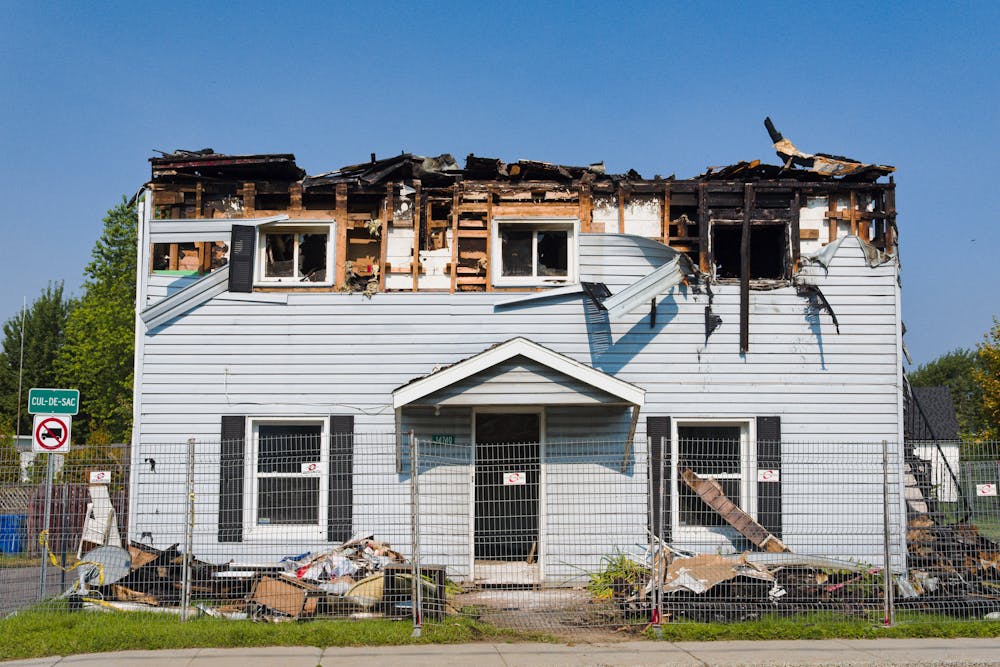
Insurance companies evaluate roof claims based on the cause and severity of damage. Sudden events are more likely to qualify for coverage than gradual deterioration. For example, if a storm rips shingles off your roof, that is typically considered a covered peril. On the other hand, if shingles crack due to age, your insurer may classify it as maintenance-related.
The distinction between “sudden damage” and “preventable damage” is central to most claim decisions. Proper documentation and timely reporting also play important roles.
Storm and Weather-Related Damage
Severe weather is one of the most common reasons homeowners file roof claims. High winds, hail, and heavy rain can cause structural damage that requires partial or full replacement. In hurricane-prone areas, wind damage coverage may come with a separate deductible.
Fire and Accidental Damage
Fire damage is almost always covered under standard policies. If your roof is compromised by flames or smoke, insurance typically pays for necessary repairs or replacement. Damage from falling trees during storms is also commonly included.
Keep in mind that coverage limits and deductibles still apply. The amount you receive depends on your policy type and roof condition at the time of loss.
Replacement Cost vs. Actual Cash Value: Why It Matters
When filing a claim, one of the most important factors is how your policy calculates reimbursement. Insurance policies generally use either replacement cost value (RCV) or actual cash value (ACV). The difference between these two methods can significantly affect your payout.
Replacement cost value covers the cost of installing a new roof using similar materials at today’s prices. Actual cash value, however, subtracts depreciation based on your roof’s age and condition.
For example:
- A 15-year-old roof may have significant depreciation.
- Under ACV, you may receive only a portion of the replacement cost.
- Under RCV, the insurer may initially pay a portion and reimburse the rest after work is completed.
Understanding which valuation method applies helps you estimate potential out-of-pocket costs. Review your declarations page to confirm your coverage type.
How to File a Roof Replacement Claim
Filing a roof claim requires preparation and documentation. Acting quickly after damage occurs improves your chances of approval. Most insurance companies require prompt notification and a professional inspection before processing a claim.
The process may seem overwhelming, but following clear steps can simplify it. Proper communication and detailed records strengthen your case.
Steps to Take
- Document the damage with photos and videos.
- Prevent further damage with temporary repairs if necessary.
- Contact your insurance provider to initiate the claim.
- Schedule an inspection with an adjuster.
- Obtain a written estimate from a licensed roofing contractor.
Be sure to understand what is included in roof replacement when reviewing contractor estimates. A complete replacement may involve removing old materials, installing underlayment, replacing flashing, and ensuring proper ventilation. Knowing these details helps you compare your contractor’s proposal with your insurer’s assessment.
Why Are Some Roof Replacement Claims Denied?
Even when homeowners believe their claim is valid, insurers may deny coverage. The most common reason is maintenance-related damage. Insurance is not intended to serve as a maintenance plan for aging roofs.
Claims may also be denied if the policyholder failed to report damage promptly or if inspections reveal pre-existing issues. Insurers often examine maintenance records and previous repair history before approving payment.
Other potential reasons for denial include:
- Inadequate documentation
- Lapsed policy coverage
- Exclusions specific to certain materials
- Damage below the deductible threshold
If your claim is denied, you may request clarification, submit additional documentation, or seek a second inspection. Understanding your policy rights can help you respond effectively.
How Can Homeowners Protect Their Coverage?
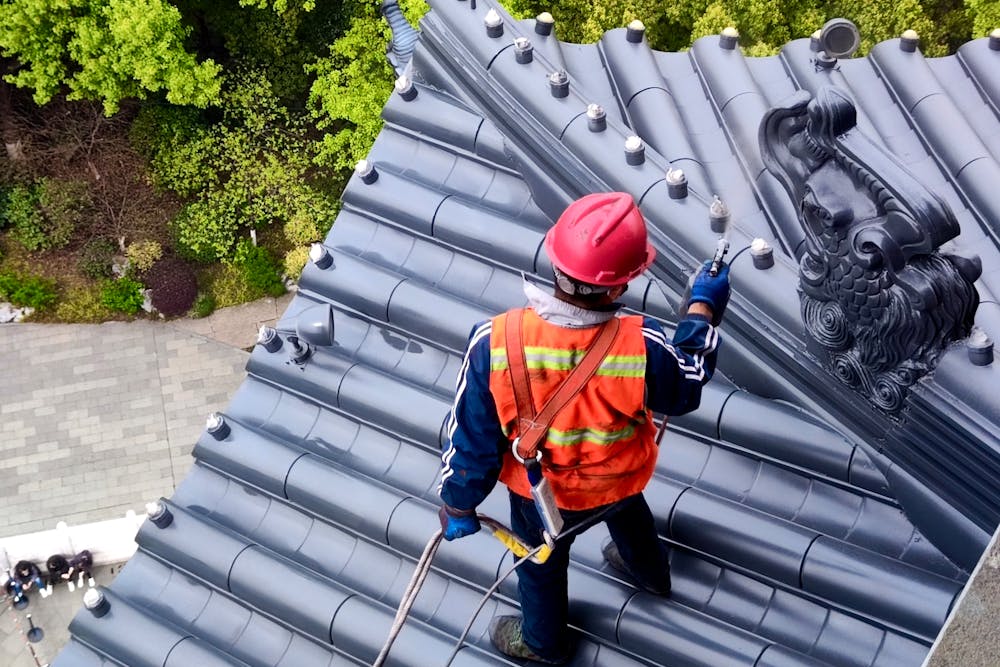
Preventive maintenance plays a major role in maintaining insurability. Regular inspections help identify small problems before they escalate. Insurers may even require proof of upkeep when evaluating claims.
Keeping your roof in good condition reduces the likelihood of disputes and extends its lifespan. A well-maintained roof is more likely to qualify for replacement coverage if sudden damage occurs.
To protect your coverage:
- Schedule annual roof inspections
- Clean gutters regularly
- Replace missing or damaged shingles promptly
- Keep records of maintenance and repairs
Proactive care not only strengthens your claim but also preserves your property value.
Final Thoughts
So, does home insurance cover roof replacement? In many cases, yes—but only when the damage results from a covered peril and proper maintenance has been performed. The age of your roof, your policy type, and the cause of damage all influence coverage decisions.
Review your policy carefully, understand valuation methods, and document everything after damage occurs. By staying informed and proactive, homeowners can minimize financial stress and make confident decisions when roof problems arise.