

Navigating the First Year of Structural Ownership and Maintenance
For the first-time homeowner, the transition from the excitement of closing day to the operational reality of managing a significant asset is a critical and often daunting period. The first twelve months of ownership, frequently called “the onboarding phase,” set the foundation for the property’s long-term health and financial performance. During this period, a passive acceptance of your new home’s status must give way to an active, disciplined auditing mindset. The goal is to move beyond superficial decor and rapidly identify the core systems and structural elements that, if neglected, could result in high-cost emergency repairs. Achieving true equity growth requires that you treat your residence less like a consumption good and more like a high-performance machine that demands precise, prioritized oversight.
This guide provides a comprehensive roadmap for structuring your first-year maintenance audits, focusing on the ten essential zones that define a property’s resilience and comfort. By prioritizing these structural interventions based on data and professional oversight, you transform from a reactive “fix-it” dweller into a proactive, engaged asset manager. We will explore how to secure your building’s external “shell” against environmental stress, optimize the invisible mechanical systems that provide comfort, and establish a pest-free sanctuary for your family. By committing to this systematic approach during your initial period of ownership, you ensure that your new residence remains a source of pride, safety, and financial security for decades to come, regardless of the seasonal challenges it may face.
Section 1: Performing the Initial Building Envelope Audit
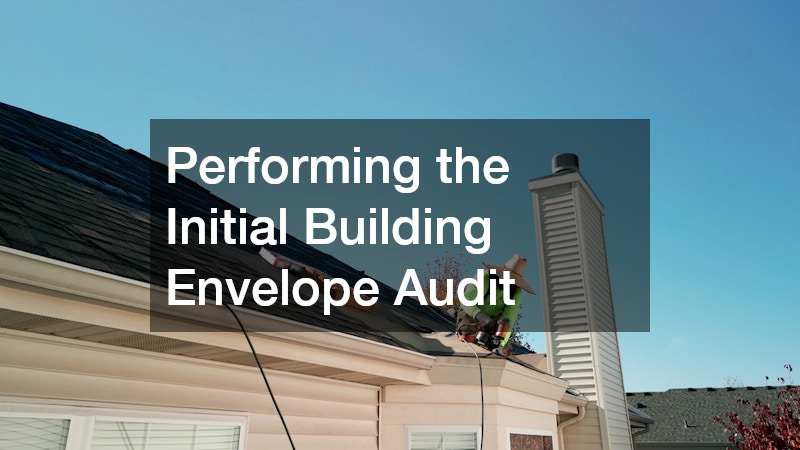
The most critical asset management task during your first year is to ensure that your home is hermetically sealed against environmental intrusion. Your home’s exterior “shell”—the roof, siding, and windows—serves as the primary barrier against UV radiation, extreme thermal fluctuation, and moisture in all its forms. Water intrusion is the number one enemy of structural longevity, and the roof is the front line of this defense. A successful onboarding process begins with a rigorous, high-level inspection of the entire surface. This isn’t just a basic check; it involves evaluating the condition of the flashing around chimneys, venting stacks, and valleys, where leaks are most likely to originate. Identifying potential failure points early allows you to schedule targeted interventions that prevent invisible decay.
In today’s marketplace, finding reliable partners is essential for establishing a long-term maintenance plan. You must evaluate multiple reputable roofing companies to find a contractor who understands the specific environmental demands of your region and who has a track record of performing durable structural fixes. While minor maintenance like clearing debris can be done personally, the high-stakes world of structural waterproofing requires professional expertise. Engaging certified roofers to perform a detailed thermal audit can reveal hidden moisture issues beneath the surface that a basic visual check would completely miss. By stabilizing this primary asset early, you create the necessary environmental security to audit every other system in your home with confidence and technical precision.
Section 2: Prioritizing Exterior Water and Moisture Management
Water management is a fundamental component of structural resilience, and it must be managed with absolute precision. In regions with significant rainfall or humidity, biological intruders like algae, moss, and lichen can establish a foothold on your roofing materials. These organisms are not just an aesthetic issue; they hold moisture against the shingles and can lead to silent decomposition of the asphalt. This is why specialized roof cleaning is an essential first-year preservation task. This process, ideally performed by professionals using “soft wash” techniques, removes these biological threats without the destructive pressure that can strip away essential granules and reduce your roof’s thermal reflective performance.
Maintaining this external surface requires a consistent loop of observation and repair. Once you have sanitized the exterior, you must shift your focus to the integrity of the individual components. If you notice persistent minor leaks or granular loss during your audits, scheduling targeted roof repairs becomes a high-priority “value-add” fix. Addressing flashing gaps around plumbing vents or replacing individual weathered shingles prevents moisture from reaching the vulnerable wood framing beneath. By taking a proactive approach to the exterior, you ensure that your roof is an active, high-performance system rather than a passive liability. This protective approach provides the ultimate peace of mind while signaling that the property is managed with a high degree of technical care.
Section 3: Standardizing Core Mechanical and Plumbing Assets
Once the exterior shell is secure, your audit must move indoors to stabilize the systems that distribute resources throughout the home. The plumbing infrastructure is particularly critical, as failures here can cause rapid structural decay. Your onboarding process should include a whole-home pressure test to ensure that the complex web of pressurized supply lines and gravity-fed drains is operating in perfect balance. This test can reveal invisible leaks hidden behind finished walls. To execute this technical assessment, it is imperative to establish a relationship with reputable local plumbers who specialize in diagnostic and preventative system care.
Beyond pressure integrity, a comprehensive plumbing audit includes evaluating the condition of exposed piping in the basement and utility rooms. Check for “pitting,” oxidation, or any sign of a slow drip from valves and junctions. If your property is older, this audit may reveal a need to stabilize specific zones before they fail. By standardizing your fluid delivery network during your first year, you ensure that your home’s aquatic environment is efficient and reliable. This proactive approach not only protects your interior finishes from moisture damage but also lowers your environmental footprint by maximizing the mechanical longevity of your core utility systems, ensuring your household runs smoothly throughout the seasons.
Section 4: Establishing a Sustainable Waste Flow Strategy
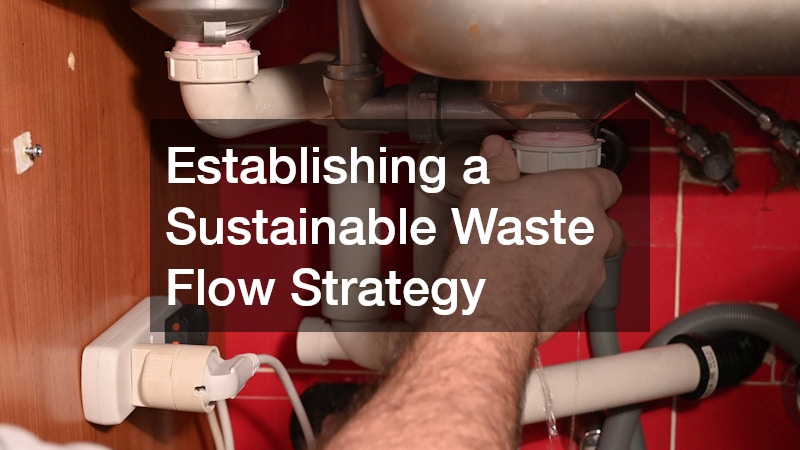
A functioning plumbing system depends as much on waste removal as it does on water delivery, and your onboarding audit must include a rigorous check of your property’s primary drainage lines. If your home has mature trees on the lot, the subterranean sewer pipes are highly vulnerable to root intrusion, which can lead to slow drains and catastrophic main-line backups. A modern “best practice” involves scheduling a professional camera inspection of your main sewer lateral. This provides definitive visual data on the health of your buried infrastructure, allowing you to prioritize maintenance before an emergency occurs.
This proactive management also includes the routine maintenance required to prevent common interior blockages. Seasonal drain cleaning is an essential “home saving” task that pays for itself by avoiding the high costs of emergency service calls and the interior sanitation issues that result from an overflowing toilet or sink. A professional plumber can utilize diagnostic tools to clear out months of buildup from soap scum and hair, ensuring every fixture drains at its intended flow rate. By keeping your entire waste management infrastructure in peak condition, you create a sustainable and healthy indoor environment. This simple maintenance task is one of the most effective ways to preserve the functional utility and perceived quality of your home’s primary systems.
Section 5: Regulating Climate Control and Thermal Efficiency
The heating and cooling system is the mechanical heart of the modern home, consuming the vast majority of your annual energy budget. Achieving true efficiency in this area requires more than just setting a thermostat; it requires a deep commitment to mechanical precision. If your system is running constantly or making unusual noises, it is likely operating at a fraction of its intended efficiency. Scheduling an annual tune-up and energy audit with a certified HVAC contractor is the primary way to ensure that the entire mechanical network is balanced and capable of maintaining a consistent and comfortable internal environment throughout the record-breaking heat of summer and the deep freezes of winter.
In addition to mechanical tuning, the sustainability of your home’s environment is tied directly to the integrity of your home’s air delivery network. An audit should include a smoke test or visual inspection of the ductwork to identify leaks that allow expensive, conditioned air to escape into uninsulated attics. When a technician performs your service, they can also evaluate the condition of your contacts and capacitors—the components most likely to fail during a weather event. These small, proactive interventions are the low-cost solutions that prevent the total failure of the system, keeping your home efficient and your utility bills predictable and affordable. This is a core mechanical asset that requires intentional oversight to ensure it remains reliable and highly functional during its multi-decade operational lifespan.
Section 6: Securing the Interior Environment from Biological Intruders
A healthy home requires more than just mechanical efficiency; it requires a safe and tranquil environment free from biological intruders that can compromise both the structure and your family’s comfort. The lush landscaping and wooded borders common on many lots can provide a natural habitat for various pests. A proactive onboarding audit should begin with a meticulous check of your home’s perimeter, looking for tiny foundation cracks, gaps around utility entries, or weathered weather stripping that provide easy access points. Engaging a reputable pest control company for a professional perimeter inspection ensures that wood-destroying organisms or common household intruders are managed before they can cause silent degradation.
Integrated management in this area involves utilizing targeted solutions rather than blanket chemical applications. Keep your gutters clean, ensure that the ground slopes away from the foundation, and eliminate any direct wood-to-ground contact to naturally reduce common pest attractants. A pest-free home is a healthier home for your family and your pets. This proactive oversight is a “hidden fix” that protects the structural materials of your house from the inside out, ensuring that your first year of ownership is defined by tranquility rather than persistent infestations. By establishing this security early, you protect your real estate investment from the unseen structural rot and health risks associated with a neglected biological environment.
Section 7: Integrated Management of Household Sanitation and Pest Zones
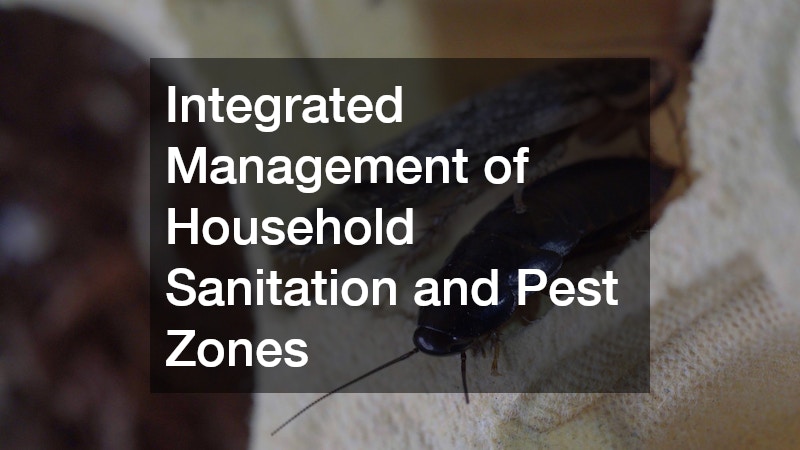
Maintaining a sanitary household environment requires a strategy that bridges daily habits with professional oversight. This is especially true in areas where sanitation is linked to pest control. While a standard perimeter check is essential, some common problems require specialized, targeted interventions. If you notice common indoor pests like roaches in high-moisture areas such as the kitchen or bathroom, it indicates that a colony has established a foothold. In these specific cases, utilizing professional roach control services is a high-priority health intervention that avoids the use of generic, broad-spectrum chemicals by instead implementing precise baiting and exclusion techniques.
A proactive approach involves identifying the moisture sources and food trails that attract these pests. Ensure that no dishes are left in the sink overnight, seal all dry goods in non-porous containers, and address any slow drips or condensation points around plumbing fixtures. By integrating these daily habits with targeted roach control services, you eliminate infestations at the source and prevent re-entry. A truly successful onboarding process doesn’t just treat the visual symptoms; it treats the whole environment, restoring that sense of sanctity and cleanliness that makes your home a healthy and desirable sanctuary.
Section 8: Auditing Functional Kitchen Utility and Surface Performance
Once your core mechanical systems and exterior shell are stable, your first-year audit can turn to the interior surfaces that define your home’s utility and daily aesthetic experience. The kitchen, as the undisputed hub of the modern home, experiencing the highest level of daily wear and tear. A strategic audit in this zone should focus on a “high-performance” feel that balances aesthetic durability with daily function. The choice of kitchen countertops, for instance, is one of the most high-impact decisions you can make. Non-porous modern materials like quartz or treated granite offer a sustainable solution that resists heat, scratches, and bacterial growth, transforming a passive surface into a durable asset.
Beyond the surfaces, a professional-grade kitchen audit includes checking the operational status of all major appliances. Ensure that your refrigerator coils are clean and that your dishwasher is level and draining efficiently. Small mechanical failures in the kitchen can often go unnoticed, putting unnecessary stress on the underlying plumbing and electrical networks. By taking an intentional approach to kitchen surfaces and mechanical utility during your onboarding phase, you ensure that this high-traffic environment remains functional, sanitary, and aesthetically pleasing. This attention to detail signals that the property is managed with a “no corners cut” philosophy, protecting your investment from premature wear.
Section 9: Standardizing External Water Management and Foundation Defense
The single most effective way to protect a home’s foundation is to manage exterior water with absolute precision. High-integrity gutters and downspouts serve as the primary defensive barrier, capturing water at the roofline and carrying it far enough away from the building to prevent soil erosion and hydrostatic pressure against the foundation walls. A proactive onboarding audit should involve observing the system during a significant rain event, checking for overflows, sagging, or leaks. A system that is neglected allows water to pool, leading to expensive foundational cracking and the risk of catastrophic basement flooding.
Ensuring that your exterior water management system is running efficiently is a safety-critical task. Keep your gutters completely clear of organic debris, particularly in regions with a dense tree canopy. A functional audit should also include checking the slope and the structural attachment of every run of the system. By standardizing this water control infrastructure, you reduce the humidity levels around your home and prevent the saturation that attracts pests and promotes structural rot. This simple maintenance task provides one of the highest returns on investment for long-term foundational stability, ensuring that your new property’s core structural integrity remains stable and functional for generations.
Section 10: Adopting a Philosophy of Intentional System Care

The key to long-term property performance lies not in executing isolated projects but in recognizing the deep interconnectedness of all residential systems. A smart asset manager understands that the health of one system directly impacts the performance of another. For example, a slow drain identified during a routine inspection might be indicative of a subterranean root intrusion that, if neglected, would put excessive hydraulic stress on your home’s waste management network and lead to an expensive emergency backup. Recognizing these connections allows you to group maintenance tasks, reducing service calls and overall maintenance costs.
This integrated mindset also helps you prioritize your property improvements. If you are scheduling exterior maintenance, that is the perfect time to evaluate your landscape drainage and pest control perimeter as well. If you are having your HVAC system tuned, consider how improved insulation could reduce the mechanical workload. By moving beyond a simple “quick fix” mentality and adopting a philosophy of intentional, data-driven system care, you shift from being a reactive owner to being an active, engaged leader of your real estate equity plan. Every decision you make—from the materials on your kitchen countertops to the frequency of your roof inspections—should contribute to a larger, unified plan for residential excellence.
In conclusion, the first twelve months of homeownership are not merely a period of transition; they are a foundational onboarding phase that defines your property’s future. By shifting your perspective from that of a passive dweller to an active, engaged asset manager, you ensure that your residence remains a source of pride and financial security rather than a source of persistent stress. Completing a systematic audit across these ten critical zones—from the specialized needs of your roof to the invisible mechanical networks buried beneath your feet—allows you to prioritize maintenance based on actual visual and diagnostic data rather than reacting to emergencies.
This proactive approach not only saves significant amounts of money in the short term by preventing major system failures, but it also preserves the long-term structural integrity and aesthetic appeal of your home. When you take the time to inspect, evaluate, and upgrade each system methodically, you are doing more than just fixing pipes or painting walls; you are investing in the sanctuary where your life happens. Start your maintenance audit today, and enjoy the profound peace of mind that comes from knowing every surface and system in your home is optimized for excellence and built to last in the modern world.