Stepping into the world of homeownership can be as exhilarating as it is daunting, with each new responsibility offering both challenges and rewards. As a first-time homebuyer, the roof over your head is more than a metaphor for security and comfort—it’s a vital component of your home’s structure. Understanding how to properly care for your new roof ensures its longevity and protects your investment. In this article, we’ll explore essential maintenance tips and tricks to help you navigate the intricacies of roof care, keeping your home safe and sound for years to come.
1. Choosing the Right Roofing Company
Factors to Consider
Selecting the appropriate roofing company is critical for the longevity of your new roof. As a first-time homebuyer, evaluating the reputation and reliability of roofing contractors is crucial. Consider factors such as experience, client feedback, and service guarantees offered by local roofing services.
It’s also essential to assess the company’s expertise in both roof installation and roof repairs. A reputable residential roofing company should provide a comprehensive range of services tailored to your needs. Understanding their customer care approach can establish trust and satisfaction with the work delivered.
Researching Local Roofing Services
Investigating local roofing services ensures working with a company familiar with the local climate and building regulations. A local roofer offers more accessibility, simplifies communication, and is valuable in emergencies requiring roof repairs. Local services offer tailored roofing solutions meeting regional requirements and homeowner association guidelines.
Begin research by exploring online reviews and testimonials from previous customers. This feedback provides an accurate representation of the roofing company’s reliability and customer satisfaction. Checking valid licenses and insurance coverage from contractors is crucial in this process.
2. Working with Reliable Roofing Contractors
Checking Credentials and Licenses
Ensuring the reliability of a roofing contractor involves verifying credentials and licenses. A dependable roofing service will have valid certifications as evidence of expertise and professionalism. This step helps guarantee safety, legal compliance, and high-quality work on your home.
Licensing requirements can vary, so it’s important to confirm the contractor’s compliance with local regulations. Checking with licensing boards or online resources can be a quick way to verify this information. Reliable roofing services will willingly provide any necessary documents to instill confidence in their clients.
Reading Customer Reviews
Customer reviews are pivotal in assessing roofing contractors, offering insight into their work quality and customer service. Online platforms host reviews that detail past customer experiences with the roofing service. Positive reviews typically indicate a contractor’s reliability, competence, and ethics.
While reading reviews, pay attention to recurring themes both positive and negative. Consistently favorable reviews can affirm the quality and dependability of a roofing contractor. Conversely, frequent negative feedback should prompt further investigation before making a hiring decision.
3. Importance of Local Roofer for Roof Repairs
Benefits of Hiring Local Professionals
Engaging a local roofer for roof repairs offers numerous advantages, including familiarity with area-specific challenges. Local professionals are aware of local climate conditions affecting roof longevity and can provide appropriate solutions. Moreover, local firms tend to have existing relationships with regional suppliers, providing better service and materials at competitive prices.
Proximity is another benefit of hiring local roofers, facilitating swift response times and ease of access for consultations. Local roofing service providers can often address repairs promptly, reducing potential damage risks. This localized knowledge and efficiency can offer valuable peace of mind to homeowners.
Assessing Response Time for Emergencies
The ability to respond quickly to emergencies is a critical consideration when selecting roofing contractors. A local roofer often has the advantage of geographical proximity, enabling faster response times in urgent situations. In times of severe weather or unexpected damage, this promptness can minimize further loss.
Evaluating past client experiences and testimonials can provide insights into a company’s responsiveness. Roofing contractors that consistently meet deadlines and address emergencies effectively are preferred choices among homeowners. Their efficiency in emergencies reflects their commitment to customer satisfaction and service quality.
4. Understanding the Range of Roofing Services
Maintenance and Inspection Services
Regular maintenance and inspections are key services provided by roofing companies to uphold roof integrity. These services involve routine checks for potential issues such as damage, leaks, or structural concerns that can escalate over time. Engaging a roofing contractor for these preventive measures can save homeowners significant repair costs in the long run.
Preventive maintenance allows for early detection of problems, which can be addressed before leading to extensive damage. A dedicated residential roofing company will schedule regular inspections and provide detailed reports on roof conditions. This proactive approach not only extends the roof’s lifespan but also ensures ongoing safety and effectiveness.
Roof Installation and Replacement Options
Roof installation and replacement are major services provided by roofing contractors to accommodate varying homeowner needs. Understanding the types of roofing materials and installation methodologies is critical when considering a new roof. An experienced contractor will guide you through material choices, addressing concerns such as durability, aesthetic appeal, and energy efficiency.
Replacement projects can be complex and require a precise understanding of the existing roof structure. Roofing services involve careful planning and execution, ensuring minimal disruption to daily life during the process. Expert contractors maintain a thorough approach to replacement, using quality materials and installation techniques to guarantee longevity.
5. Overview of a Residential Roofing Company
Services Provided for Homeowners
A residential roofing company focuses on services specifically designed to cater to home properties. These services range from initial inspections, routine maintenance, emergency repairs, to complete roof installations. The goal of residential roofing specialists is to enhance property value while ensuring long-term protection for inhabitants.
Proper communication and transparency in service offerings are hallmarks of a reputable residential roofing company. Homeowners can expect detailed consultations and customized plans addressing their specific roofing needs. Such services showcase the company’s commitment to customer satisfaction and dedication to delivering high-quality results.
Comparing Residential vs. Commercial Roofing
Understanding the differences between residential and commercial roofing is vital for choosing the right contractor. Residential roofing involves design aesthetics, simpler installation methods, and typically uses materials like shingles or tiles. On the other hand, commercial roofing often requires complex approaches, involving flat or low-slope designs and materials such as metal or specialized membranes.
Specific expertise in each category is necessary, as residential roofing contractors specialize in unique construction styles compared to commercial professionals. The choice between these services affects aspects such as material selection, budget, and contractor expertise. Proper evaluation based on the building type ensures effective and efficient roofing solutions tailored to the property.
6. Hiring a Skilled Roofing Contractor
Verifying Insurance Coverage
A critical step when hiring a roofing contractor is verifying their insurance coverage. Comprehensive insurance provides protection for both the homeowner and the contractor, covering potential liabilities or damages during roof projects. Contractors with adequate insurance demonstrate professionalism and commitment to service quality, ensuring reassurance and peace of mind.
Ensuring your contractor possesses both liability insurance and workers’ compensation is crucial. Liability insurance covers accidental property damage, while workers’ comp covers injuries sustained by workers on the job. A roofing company that openly shares proof of insurance signals responsibility and transparency.
Communication and Project Timeline Expectations
Efficient communication is a foundational aspect of a successful roofing project. A reliable roofing contractor will establish clear timelines and keep homeowners informed throughout the process. This transparency ensures you remain aware of project progress, potential delays, and completion expectations.
Establishing a timeline and maintaining communication helps manage expectations and avoid misunderstandings. Reliable contractors value ongoing dialogue with clients, which fosters mutual trust and satisfaction. Regular updates from the contractor offer a smoother experience, resulting in quality workmanship and timely completion.
7. Ensuring Proper Roof Installation
Quality Materials and Techniques
The success of roof installation heavily relies on the use of quality materials and appropriate techniques. Choosing reputable roofing companies ensures access to high-grade materials that promise durability and performance. Contractors skilled in advanced techniques can optimize these materials, resulting in resilient and aesthetically pleasing roofs.
Proper installation techniques involve precision and attention to detail that prevent common issues like leaks and structural weaknesses. Professional roofing contractors are well-versed in modern installation practices that comply with industry standards. Their expertise translates into roofs that withstand time and environmental factors, reducing future repair needs.
Importance of Proper Ventilation
Proper ventilation is a crucial element often overlooked but vital for roof longevity and home comfort. Adequate airflow under the roof deck prevents moisture buildup, reducing the risk of mold, mildew, and damage. Roofing service providers focus on designing and installing effective ventilation systems tailored to specific roof types.
Ventilation contributes to energy efficiency by regulating temperature extremes within the attic space. Properly ventilated roofs help extend material lifespan by preventing excessive heat or moisture exposure. Consulting with experienced roofing companies ensures the integration of efficient ventilation solutions during roof installations or upgrades.
8. Common Roof Repairs for Homeowners
Identifying Leaks and Water Damage
Water damage and roof leaks represent prevalent concerns for homeowners, potentially indicating underlying problems. Signs such as water stains on ceilings or walls, dampness, and visible roof damage can indicate leaks. Partnering with reliable roofing contractors for inspections allows for timely identification and resolution of these issues.
Early identification of leaks is typically more cost-effective than addressing extensive, progressed damage. A vigilant residential roofing company will provide a thorough audit to detect weak spots or damage impacting roof integrity. Early intervention preserves roof life and protects the home’s structural integrity.
Repairing Shingle and Flashing Issues
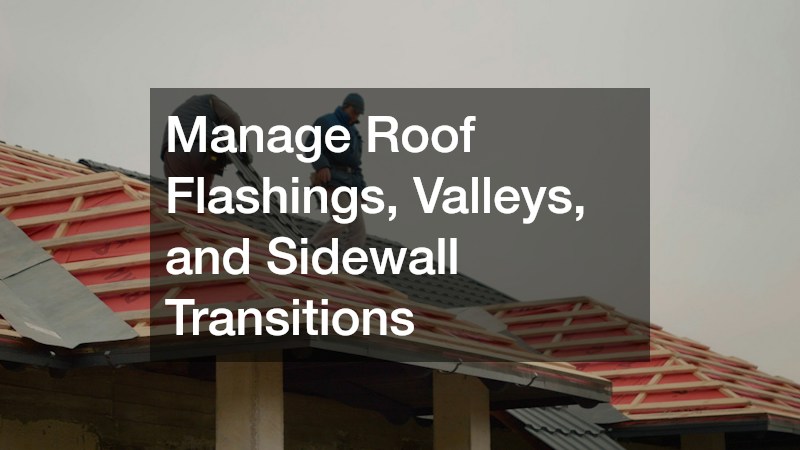
Shingle and flashing problems are common issues addressed in roof repairs. Damaged or missing shingles compromise the roof’s ability to shield against elements, potentially escalating into extensive damage. Flashing, the material around chimneys and vents, is also prone to deterioration, leading to leaks.
Professional roofing services offer solutions by replacing or repairing damaged components, restoring the roof’s protective functions. Hiring skilled roofing contractors ensures precise repairs that prevent recurrence of these issues. Addressing these promptly reduces repair costs and extends the roof’s life expectancy.
9. Benefits of Regular Roof Maintenance
Extending the Lifespan of Your Roof
Regular roof maintenance significantly extends your roof’s lifespan, ensuring long-term protection and performance. A routine maintenance schedule involves inspections and minor repairs, identifying potential issues early. Roofing contractors emphasize maintenance as a preventive strategy to optimize the roof’s structural integrity and functionality.
Preventive maintenance extends beyond structural benefits to include energy efficiency and appearance enhancements. A well-maintained roof can reflect harmful UV rays more effectively, reducing cooling costs. Scheduled maintenance frees homeowners from unexpected repair expenses and prolongs the roof’s operational life.
Preventing Costly Repairs
Proactive roof maintenance plays a crucial role in avoiding costly, extensive repairs by addressing problems when they are minor. Routine assessments allow roofing services to conduct necessary adjustments, preventing wear and tear from escalating into severe damage. This foresight curtails financial strains associated with major repairs and replacements.
Besides cost savings, regular maintenance reduces stress associated with sudden repair needs and property damage. Keeping a maintenance schedule helps identify wear early, maintaining the roof’s health and property value. Professional roofing companies offer maintenance plans designed to minimize these potential expenditures.
10. Differences Between Residential and Commercial Roofing
Materials Used for Residential Roofs
Residential roofs often utilize materials developed for aesthetic appeal, durability, and cost-effectiveness. Common materials include asphalt shingles, slate, and wood shakes, each chosen based on the homeowner’s preference and budget. The choice of materials heavily influences the roof’s look, lifespan, and maintenance needs.
The expertise of roofing contractors is essential in guiding homeowners to select materials best suited to their environment and design preferences. Contractors help navigate considerations such as style compatibility and long-term performance. Local roofing services are adept at recommending materials compatible with your climate and architectural design.
Unique Considerations in Commercial Roofing
Unlike residential roofing, commercial roofing solutions emphasize functionality and durability for flat or low-slope designs. Materials such as EPDM, TPO, and modified bitumen are typical, chosen for their longevity and low maintenance. Commercial roofing involves complex installation and design unique to each building’s operational needs.
Understanding load-bearing requirements, drainage, and space utilization are essential aspects when approaching commercial roofing projects. Contractors specializing in commercial roofing possess skills to address these engineering challenges comprehensively. These attributes ensure safety and efficiency in roofing solutions tailored to commercial property needs.
Caring for your new roof as a first-time homebuyer involves careful planning and informed decision-making. By understanding the nuances of selecting a roofing company, working with reliable contractors, and recognizing the importance of regular maintenance, homeowners can protect their investment. Embracing advances in sustainable and energy-efficient technologies ensures a roof that not only performs in the present but also leads into a connected, eco-friendly future.
Selecting the right roofing contractor and service for your new home might feel overwhelming initially, but these guidelines can simplify the journey. An informed approach to maintenance, repair, and installation will yield long-term benefits, safeguarding not just the roof but also the home and family beneath it. Ultimately, thoughtful decisions in roofing secure both comfort and value for years to come.