Highlights
-
Prompt roof repairs can stop exterior problems from spreading into ceilings, insulation, walls, and structural materials.
-
Damaged shingles, flashing, sealants, and roof penetrations can allow repeated water intrusion.
-
Moisture may remain hidden even after visible dripping stops.
-
Wind and hail can weaken roofing materials without causing an immediate indoor leak.
-
Interior stains, damp insulation, and musty odors may signal that damage has moved inside.
-
Timely repairs can help homeowners avoid more disruptive and expensive damage later.
How Can Roof Repairs Prevent Damage From Spreading?
Roof repairs help prevent damage from spreading by closing openings that allow water and wind beneath the roof covering. A missing shingle, cracked seal, loose flashing, or puncture may seem minor, but repeated exposure can allow moisture to reach the roof deck, attic insulation, ceilings, and wall cavities.
Once water reaches those areas, homeowners may face staining, softened materials, damaged finishes, or deterioration beyond the original defect. The U.S. National Park Service explains that leaving a leaking roof unprotected can accelerate deterioration of materials such as wood, plaster, paint, masonry, and structural members. Addressing the source early is more effective than simply covering an interior stain or waiting until a leak becomes severe.
Which Roof Problems Should Homeowners Address First?
-
The most urgent roof problems create a direct path for water or indicate that moisture has already entered the home.
-
Missing, lifted, cracked, or torn shingles can expose materials beneath the roof covering.
-
Damaged flashing around chimneys, skylights, vents, valleys, and roof-to-wall intersections can allow water intrusion.
-
Active leaks, new ceiling stains, damp attic materials, or dripping after rain deserve prompt attention.
-
Clogged or damaged gutters can allow water to overflow near roof edges and exterior walls.
-
Soft, sagging, or deteriorated decking may indicate prolonged moisture exposure.
-
Punctures from branches or storm debris can create openings that are easy to overlook.
-
Prioritizing these conditions can reduce continued exposure before another storm or heavy rainfall makes the problem more extensive.
Why Is Moisture Control Important After a Roof Leak?
Moisture control matters because damage can continue after rain stops and the visible leak disappears. Water may remain trapped in insulation, drywall, wood, carpeting, or concealed cavities, creating conditions that support deterioration and mold growth. According to the U.S. Environmental Protection Agency, water-damaged areas and items should generally be dried within 24 to 48 hours to help prevent mold growth. That short window makes a fast response important when a roof leak reaches finished living spaces. Repairing the roof source should be paired with drying, cleanup, and inspection of affected materials rather than treating a visible stain as the entire problem. Homeowners may also need to examine attic insulation, ceiling cavities, and nearby framing for hidden dampness after the exterior repair.
What Interior Signs Can Point to Roof Damage?
-
Interior warning signs can show that a roofing problem has progressed beyond the exterior surface and begun affecting living areas.
-
Brown or yellow ceiling stains that grow after rain can indicate recurring moisture.
-
Peeling paint, bubbling drywall, warped trim, or softened ceiling materials may develop after repeated exposure.
-
Damp attic insulation, darkened wood, rusty fasteners, or water trails can suggest leakage beneath the roof deck.
-
Musty odors in upper rooms, closets, or attic spaces may signal hidden moisture without an active drip.
-
Water marks near vents, chimneys, skylights, or exterior walls can help narrow possible entry points.
-
Changes after a storm may make roof damage more likely, although plumbing or condensation can create similar symptoms.
-
An inspection can help identify the source before repeated wetting causes broader interior repairs.
How Can Storm Damage Become More Serious Over Time?
Storm damage can become more serious because roofing materials continue to face wind, rain, temperature changes, and debris after the initial event. A shingle that has been lifted or torn may no longer shed water as intended, while damaged flashing can open further as materials expand and contract. Even when no water is dripping into a room, moisture may travel along decking, rafters, or other materials before becoming visible. The Insurance Institute for Business & Home Safety notes that severe hail damage can create the potential for water entry, which is why localized impact damage deserves attention. After strong wind or hail, homeowners can look for missing materials, damaged edges, debris impacts, and new interior stains. Timely roof repairs can stop repeated weather exposure from turning a small weakness into a larger problem.
Can Small Roof Leaks Cause Larger Home Problems?
Yes. Small roof leaks can become larger home problems when water repeatedly reaches materials designed to stay dry. Insulation can lose effectiveness when saturated, drywall can soften or stain, paint can peel, and wood components may deteriorate if moisture remains present. Water can also travel away from the original entry point, meaning the visible stain inside may not sit directly beneath the roof defect. This can make delayed repairs risky because the full extent of the problem may not be obvious. A minor exterior opening can also become larger as wind, temperature changes, and additional storms stress surrounding roofing materials. Prompt roof repairs help homeowners address the entry point and affected areas before ongoing exposure creates more extensive repair needs throughout the attic or living space.
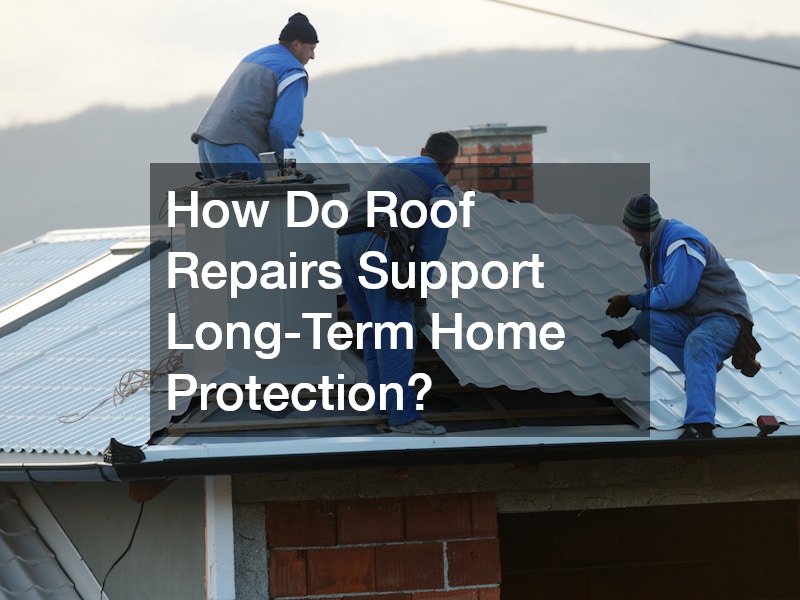
How Do Roof Repairs Support Long-Term Home Protection?
Roof repairs support long-term home protection by restoring damaged areas before they affect multiple parts of the building. The goal is not to replace an entire roof every time a defect appears, but to identify the source, repair what is damaged, and confirm affected interior materials are dry and serviceable. Regular inspections can help homeowners notice worn sealants, damaged flashing, loose materials, or drainage problems before they cause visible leaks. After severe weather, checking the roof and attic provides another opportunity to catch changes early. Homeowners who respond quickly are better positioned to preserve insulation, ceilings, framing, finishes, and personal belongings. In that sense, roof repairs are more than an exterior maintenance task. They are a practical way to prevent avoidable damage from spreading inward and protect the home from increasingly disruptive, serious problems.