

Welcome to our comprehensive guide on what to expect during your home’s first roof replacement. This article will walk you through everything you need to know for a successful roofing project. By delving into each aspect, from choosing roofing companies to understanding roof estimates, you’ll gain the confidence needed to oversee this crucial improvement to your home. Let’s get started and learn the key things you can expect when investing in your very first roof replacement.
1. How to Choose the Right Roofing Companies?
Considerations for Selecting a Roofing Company
Choosing the right roofing companies can significantly influence the outcome of your roof replacement project. Look for companies with solid reputations and proven track records in your community. Check their credentials to ensure they are licensed, insured, and experienced in handling similar projects.
Reputable roofing companies often offer a variety of materials and styles to suit your home’s architecture and budget. They should provide comprehensive warranties that cover both labor and materials. Ensure the companies you consider have clear communication channels for project updates and questions.
It’s wise to compare estimates from multiple roofing companies to get the best value for your investment. Look at the breakdown of costs to understand what is being offered. Reliable companies are transparent about pricing and are willing to clarify any confusing items on the estimate. If you don’t feel right about the way a business is communicating, it’s worth it to skip them and move to a more accommodating option.
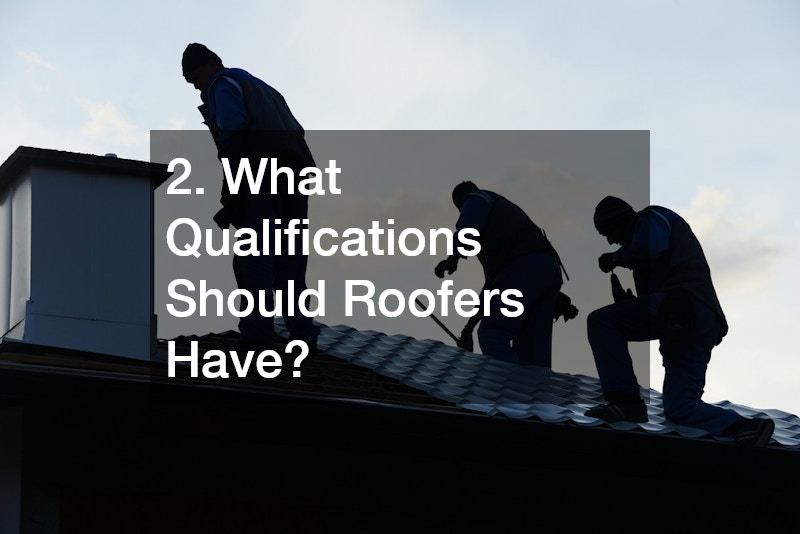
2. What Qualifications Should Roofers Have?
Important Credentials and Experience for Roofers
Qualified roofers are essential for a safe and effective roof replacement project. They must have the necessary training and certifications to work on roofs and understand the complexities of roofing systems. Additionally, experienced roofers can provide expert advice on materials and installation methods.
Look for roofers who are members of professional associations, as this often indicates a commitment to industry standards and ongoing education. Their experience can also be verified through customer reviews and project portfolios. High-quality roofers stay updated with the latest safety protocols to protect both their crew and your property.
Having roofers who are familiar with local building codes and weather considerations ensures your roof complies with regional requirements. Their expertise in local environmental conditions allows them to recommend the most suitable materials. A skilled roofer can significantly extend the lifespan of your new roof and prevent future issues.
3. Are Roof Repairs Necessary Before Replacement?
Assessing Repairs: Signs and Solutions
Assessing whether roof repairs are necessary before a full replacement is critical. In some cases, minor repairs can extend the roof’s life and postpone the replacement. Professional roofing contractors can assess damage accurately and advise on the best course of action.
Common signs that repairs might be needed include leaks, visible damage, and missing shingles. Addressing these issues promptly can prevent more significant problems during the replacement process. Contractors with experience in both repairs and replacements can help balance cost-effectiveness and long-term reliability.
In certain situations, failing to conduct necessary repairs can lead to complications during the roofing service. This could increase costs and prolong timelines. By working with a reliable roofing contractor, you can ensure that any required repairs are accurately identified and addressed before your roof replacement begins.

4. How to Evaluate a Roofing Contractor?
Key Factors in Evaluating Roofing Contractors
Evaluating a roofing contractor involves assessing several key factors that will impact your project. Competence, professionalism, and communication are crucial attributes. Ensuring that your chosen contractor is well-reviewed by previous clients provides insight into their reliability.
It’s important to verify a roofing contractor’s licensing and insurance coverage, which protects you from liability in case of accidents. Reviewing their past projects and asking for references can provide a clearer picture of their capabilities. Contractors who are transparent about timelines and costs demonstrate a commitment to excellent service.
In addition, contractors who are familiar with the latest roofing technologies and techniques can offer superior outcomes. Engaging a contractor who specializes in the specific type of roofing material you desire ensures expertise in handling that product. A well-evaluated contractor will enhance the quality, aesthetic, and performance of your new roof.
5. The Benefits of Hiring a Local Roofing Contractor
Advantages of Opting for Local Expertise
Hiring a local roofing contractor offers several advantages due to their familiarity with regional requirements and conditions. Local roofers typically understand the climate and its impact on roofing materials. This expertise allows them to recommend the most appropriate solutions for your area.
Local contractors are more accessible for follow-up services and warranty visits, ensuring that issues can be addressed swiftly. They often have established relationships with local suppliers, which can result in better pricing and the availability of materials. Choosing a local roofing contractor can also contribute to the regional economy, supporting community businesses.
Additionally, local roofers have built reputations in the community, motivating them to maintain high standards of workmanship and customer service. Their commitment to local clients often results in personalized service and an attention to detail that larger, distant companies might not provide. As members of your community, they have a vested interest in ensuring your satisfaction and your home’s curb appeal.
6. Understanding Roof Estimates
Breaking Down an Accurate Roof Estimate
Understanding roof estimates is pivotal in making informed decisions about your project. A comprehensive estimate should detail labor charges, material costs, and any additional services. This transparency allows you to compare offers from different contractors more effectively.
Estimates should also include a timeline for project completion and the warranty information offered. Make sure to inquire about any potential additional costs that might arise during the project. A thorough estimate aids in planning your budget and setting realistic expectations for the work ahead.
Contractors who provide clear, itemized estimates demonstrate a commitment to honesty and professionalism. This level of detail ensures that you are not surprised by hidden charges or unexpected delays. Utilizing well-detailed estimates, you can confidently select a roofing service that aligns with your financial plans and needs.
7. What Services Do Residential Roofing Contractors Offer?
Comprehensive Services for Homeowners
Residential roofing contractors offer a suite of services essential for maintaining and upgrading your home’s roof. These services often include inspections, routine maintenance, and emergency repairs. Each service is designed to prolong the lifespan and enhance the quality of your roof.
Beyond repairs and replacements, contractors may offer consultation services to help you select suitable materials and designs. They ensure compliance with local building regulations and industry standards, preventing legal complications. Contractors may also assist with insurance claims, simplifying the process for homeowners following storm damage.
Partnering with a residential roofing contractor provides peace of mind, knowing experienced professionals oversee the integrity of your home’s most vital protective element. A range of services allows homeowners to rely on a singular trusted source for all roofing needs. This comprehensive support ensures your roof remains safe, durable, and aesthetically pleasing throughout the years.
8. When to Call a Local Roof Repair Service?
Identifying the Right Time for Roof Repairs
Knowing when to call a local roof repair service can prevent minor issues from escalating into major problems. Early signs of roofing damage include water leaks, missing shingles, and visible wear. Responding promptly to these symptoms can reduce repair costs and avert the need for a full replacement.
Local roof repair services are best engaged as soon as damage is detected, particularly following severe weather events. These professionals can quickly assess the extent of the damage and recommend effective solutions. Familiarity with local climate conditions allows them to better address issues related to weather-related wear and tear.
Regular inspections by a professional can help catch problems before they develop into significant issues requiring costly repairs. Choosing local experts for routine checks ensures that any issues specific to your area’s climate and building codes are addressed. By staying proactive, you protect against future property damage and preserve your home’s value.
9. How Often Should Roofing Be Inspected?
Recommended Inspection Frequency and Tips
Regularly inspecting your roofing is crucial for maintaining its integrity and longevity. Experts recommend conducting inspections at least twice a year, in the spring and fall, to prepare for seasonal changes. Additionally, inspections should follow major storms to identify any storm-related damage.
Professional inspections help detect hidden issues such as leaks or structural weaknesses that could later cause significant damage. Using a qualified roofing contractor ensures a thorough analysis and accurate assessment of your roof’s condition. Consistent inspections prevent small issues from developing into costly repairs or premature replacements.
Incorporating inspections into your home maintenance plan ensures that necessary repairs are handled promptly. An experienced contractor will provide a detailed inspection report and recommendations, allowing you to address issues proactively. This regular care extends the service life of your roofing system, safeguarding your home and investment.
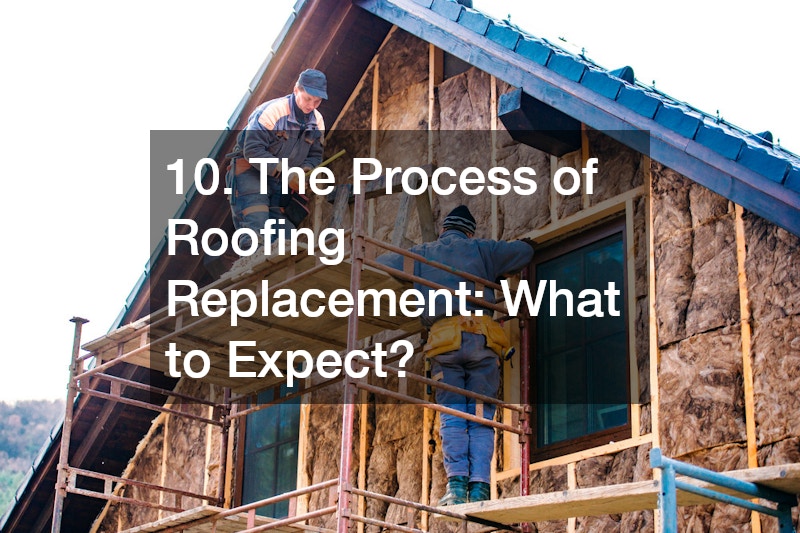
10. The Process of Roofing Replacement: What to Expect?
Step-by-Step Guide Through a Roof Replacement
Understanding the process of roofing replacement can make the experience less daunting. The first step involves selecting the right materials and securing a contract with a trusted roofing contractor. Clear communication about timelines, costs, and expectations is essential at this stage.
Once preparation is complete, the old roofing material is removed to inspect the underlying structures for needed repairs. This allows for any structural issues to be addressed, ensuring a solid foundation for the new roofing. Installation of the new materials follows, including underlayment, shingles, and additional components like flashing.
A final inspection ensures that the installation meets quality and safety standards. The contractor provides guidance on care and maintenance to maximize the longevity of your new roof. Throughout the process, staying informed and involved helps ensure the project meets your aesthetic and practical needs.
11. How to Prepare Your Home for Roofing Service?
Preparing Your Home and Family for Roof Work
Preparing your home for roofing service involves ensuring safety and convenience during the installation process. Start by clearing your yard and driveway to create easy access to your property for contractors and equipment. Inside, secure any fragile items, as vibrations from construction work can affect items on walls or shelves.
Inform family members about the timing and duration of the work, especially in areas where noise and debris may disturb daily routines. Arrangements for children and pets should be made to keep them clear of hazardous work zones. Clear communication with your contractor ensures coordination on parking and access needs.
Additionally, protecting your landscaping and outdoor furniture from potential damage is advisable. Regular check-ins with the roofing crew throughout the service allow for addressing any concerns or requests. By preparing adequately, you can mitigate disruptions and ensure a smooth, timely roofing process.
12. Costs Involved in Roofing and Budgeting Tips
Planning and Budgeting for Your Roof Replacement
Roof replacement is a significant investment, and understanding the costs involved helps in budgeting effectively. Several factors contribute to the overall cost, including the size and pitch of your roof, material selection, and labor. Get detailed, written estimates from multiple roofing contractors to compare pricing.
Aside from the obvious costs, prepare for potential unexpected expenses such as repairs to underlying structures or additional disposal fees. Setting aside a contingency fund can alleviate financial stress if unforeseen problems arise. Transparent, itemized estimates from your contractor will aid in planning your finances accurately.
Cost-saving strategies include selecting more affordable material options or timing your project during off-peak seasons when contractors may offer discounts. Ultimately, while the upfront cost is a consideration, investing in quality materials and experienced contractors ensures a durable and lasting roof. Proper planning and thorough research culminate in successful and financially manageable roof replacement projects.
Closing Roof Replacement Expectations
In conclusion, understanding the essential elements of your home’s first roof replacement expectations can help you make informed decisions. By considering these aspects of roof replacement expectations, you are better prepared for a smooth and successful roofing project. From choosing the right roofing companies to budgeting for your new installation, each step plays a pivotal role in protecting your home for years to come.